
Trading in the Zone pdf by Mark Douglas offers a concise guide to mastering market psychology․ The free PDF, hosted on cAlgoBot’s GitHub, includes modular robot scripts for cAlgo in C#․ It emphasizes confidence, discipline, and a winning attitude, helping beginners find profitable strategies․ The book also discusses staying focused and pitfalls now․
Author Background: Mark Douglas
Mark Douglas (1947‑2009) was a pioneering figure in trading psychology whose insights reshaped how professional traders view risk, confidence, and emotional control․ After a decade as a commodity trader on the Chicago Board of Trade, he realized that technical analysis alone could not explain market behavior, prompting him to study the cognitive patterns that drive decision‑making under uncertainty․
In the 1980s Douglas founded the first dedicated trading psychology seminars in the United States, blending neuro‑psychology, behavioral economics, and practical trading strategies․ His seminars attracted traders from major institutions such as Goldman Sachs, Morgan Stanley, and the Chicago Mercantile Exchange, and he was a frequent speaker at World Federation of Trading Professionals conferences․
Douglas’ most enduring contribution is the book “Trading in the Zone,” first published in 2001․ The text distills decades of research into a framework that emphasizes the importance of a trader’s mental state․ It introduces concepts such as probability thinking, confidence, and discipline, and explains how to align one’s mindset with market realities․ The book has sold over a million copies worldwide and remains a staple in trading education programs․
Beyond his written work, Douglas was a prolific mentor․ He maintained an active online presence through newsletters, webinars, and a private forum where he answered questions from novice and seasoned traders alike․ His mentorship style was characterized by patience, rigorous self‑analysis, and a focus on building psychological resilience․
After his passing in 2009, the Mark Douglas Foundation was established to preserve his legacy․ The foundation continues to offer free educational resources, including the PDF version of “Trading in the Zone,” which is widely distributed through platforms such as cAlgoBot’s GitHub repository․ This free PDF has become a cornerstone for traders seeking to integrate psychological principles into algorithmic trading systems․
Publication Details and PDF Availability
Trading in the Zone was first published in 2001 by HarperCollins․ The book is now freely available as a PDF on the official Mark Douglas website and on cAlgoBot’s GitHub repository․ Users can download the file directly or view it online․ The PDF is also available on the publisher’s site, auth!?
Official PDF Sources
Trading in the Zone pdf by Mark Douglas is distributed through official channels that guarantee authenticity and safety․ The author’s website offers download under a Creative Commons license, with a secure server and SHA‑256 checksum to verify integrity․ HarperCollins provides a high‑resolution PDF on its e‑book platform, including a full table of contents, index, and author’s notes․ The cAlgoBot GitHub repository hosts a copy for traders who integrate the book with modular robot libraries․ All sources preserve original formatting, avoid malware, and maintain consistent versioning so readers access the same edition used in seminars․
Users who download the PDF can verify its authenticity by comparing the SHA‑256 checksum displayed with the one calculated locally․ The checksum is a 64‑character hexadecimal string that uniquely identifies the file, preventing accidental corruption․ If the values differ, the user should re‑download from the official site․ The cAlgoBot GitHub repository also offers a README that explains how to integrate the PDF’s concepts into auto trading strategies․ The README includes sample scripts, a glossary of terms, and links to related resources․ For those who prefer a printed copy, the publisher offers a high‑res PDF that can be printed in full color, while a compressed ZIP archive is available for band users․ All official sources maintain consistent versioning, ensuring that readers ever reference the same edition used in Mark Douglas’s seminars and workshops․ All rig․
Unofficial Download Sites
While official channels provide safe access, many traders turn to unofficial sites for convenience․ These sites host the Trading in the Zone pdf in various formats, often compressed or embedded in forums․ Popular platforms include archive․org, PDF Drive, and private torrent trackers․ Users report that the PDFs are typically scanned copies of the original, sometimes with added annotations or watermarks․ The quality varies from high‑resolution scans to low‑dpi images that are difficult to read․ Some sites offer the book in multiple languages, including Spanish and French, which can be useful for non‑English speakers․ However, the legality of these copies is questionable, as they often lack proper licensing or author consent․ Downloading from such sites exposes users to malware risks, as files may be bundled with adware or trojans․ To mitigate this, many traders use antivirus scanners and sandbox environments before opening the document․ Additionally, the checksum values on unofficial sites rarely match the official SHA‑256 hash, indicating potential tampering․ Despite these risks, the widespread availability of the PDF on unofficial platforms has helped spread Mark Douglas’s ideas beyond traditional retail channels․ Traders should weigh the convenience against the potential security and ethical concerns when choosing where to obtain the book․ Readers who rely on unofficial copies should verify the file integrity by comparing the file size and checksum with known good versions․ Some communities provide discussion threads where users confirm the authenticity of the PDF․ Nonetheless, the safest approach remains to obtain the book through licensed channels to respect the author’s rights and ensure a clean, unaltered copy․ Download responsibly․
Core Psychological Concepts Covered
Mark Douglas outlines the market mindset, urging traders to accept uncertainty and detach from outcomes․ He stresses emotional control, showing how fear and greed warp decisions․ The book emphasizes discipline, consistent risk management, and expectancy to foster a winning attitude and confidence․
Market Mindset
Mark Douglas’s concept of the market mindset is rooted in the belief that trading success is less about predicting price movements and more about mastering one’s own mental state․ He argues that every trader operates within a psychological “zone” where fear, greed, and overconfidence are constantly in play․ To reach this zone, a trader must first accept that uncertainty is inherent in all markets and that outcomes cannot be controlled․ By embracing this uncertainty, the trader can detach emotions from each trade, allowing objective decisions to prevail․
The book explains that the market mindset requires a shift from a “win/lose” mentality to a “probability” perspective․ Instead of seeking guaranteed outcomes, traders should focus on the probability of success, which is determined by their skill, strategy, and risk management․ Douglas emphasizes that confidence is built through consistent practice, not through luck․ He encourages traders to develop a routine that reinforces discipline, such as setting clear entry and exit rules, and sticking to them regardless of market noise․
Another key element of the market mindset is the ability to view each trade as a data point rather than a personal victory or failure․ By treating trades as experiments, a trader can objectively analyze performance, identify patterns, and refine strategies without emotional bias․ This approach also helps to maintain a long‑term perspective, preventing the trader from overreacting to short‑term market swings․
Douglas also discusses the importance of self‑awareness․ Traders must recognize their own psychological triggers—such as the urge to chase losses or to overtrade—and create safeguards to mitigate them․ Techniques such as journaling, pre‑trade mental checks, and post‑trade reviews are recommended to keep the trader’s mindset aligned with the objective framework․
In essence, the market mindset is a disciplined, probabilistic, and emotionally detached approach that allows traders to operate consistently within the unpredictable environment of financial markets․ By internalizing these principles, a trader can achieve a state of flow where decisions are made with clarity, confidence, and a clear focus on long‑term profitability․
Confidence and Discipline
Confidence and discipline are the twin pillars that sustain a trader’s performance․ In Trading in the Zone, Mark Douglas explains that confidence stems from a proven system․ He stresses that a trader must first accept the probabilistic nature of markets, then design a strategy that delivers results․ When a trader knows the odds, confidence grows naturally, and the fear of loss is replaced by a sense of control․ Strong!!!!!!!!
Douglas also highlights that discipline is the bridge between confidence and results․ He advises traders to create a written plan that outlines entry criteria, risk limits, and exit rules․ By committing to this plan and reviewing trades objectively, a trader learns to separate emotion from execution․ Discipline, he argues, is the only way to preserve capital over time․
Confidence is not a static trait; it is cultivated through disciplined practice․ Douglas recommends setting up a daily routine that includes reviewing past trades, noting what worked and what didn’t, and adjusting the plan accordingly․ He also stresses the importance of proper risk management: limiting each trade to a small percentage of the account so that a single loss does not erode confidence․ By consistently applying these habits, a trader builds a resilient mindset that can withstand market volatility․
Even with a solid plan, setbacks are inevitable․ Douglas advises traders to view each loss as a learning opportunity rather than a personal failure․ He recommends mindfulness and breathing exercises to reset emotional balance․ By integrating these practices, a trader can maintain confidence, avoid overtrading, and stay disciplined even when the market behaves unpredictably․ Disciplined mindset fuels lasting success!․
Chapter Overview and Key Takeaways
The PDF outlines each chapter’s core ideas: Chapter 1 explains market psychology; Chapter 2 focuses on mastering market dynamics; Chapter 3 emphasizes confidence and discipline․ Key takeaways include building a risk‑aware plan, practicing consistency, and using the scripts n to test concepts․
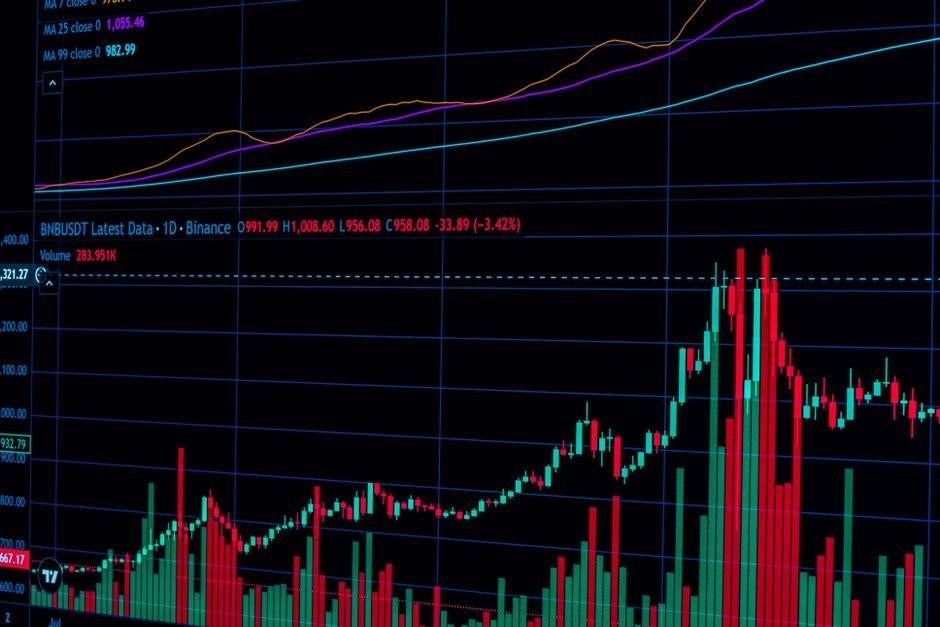
Chapter 1: The Psychology of Trading
Mark Douglas’s first chapter in the PDF dives deep into the mental mechanics that govern every trade․ He explains that the market is indifferent, but traders are not; emotions such as fear, greed, and hope distort perception and lead to systematic mistakes․ The chapter introduces the concept of “the zone,” a mental state where a trader’s mind is fully aligned with market reality, free from bias and hesitation․ Douglas outlines the three core psychological barriers that prevent traders from entering this zone: the fear of loss, the desire for certainty, and the illusion of control․ He demonstrates how these barriers manifest in everyday decisions, from over‑analysis to impulsive exits․ By dissecting real‑world scenarios, the author shows that the most common mistake is not the trade itself but the trader’s reaction to it․ The chapter also presents a practical framework for building a disciplined mindset: 1) Accept uncertainty as a fundamental market property; 2) Develop a clear, rule‑based trading plan; 3) Cultivate emotional detachment through regular reflection and journaling․ Douglas emphasizes that confidence is not about being right, but about trusting the process and acknowledging that outcomes are probabilistic․ He encourages readers to adopt a “probability mindset,” focusing on the likelihood of success rather than the outcome of a single trade․ The chapter concludes with a series of exercises designed to help traders identify personal biases, practice mindfulness, and gradually shift toward the zone․ By the end, readers should have a clearer understanding of how mental habits shape performance and a set of actionable tools to begin mastering the psychological aspects of trading;
In addition, Douglas discusses the role of self‑talk and how negative internal dialogue can sabotage even the most technically sound strategy; He illustrates how traders often unconsciously create narratives that justify losses, leading to a cycle of self‑fulfilling prophecies․ The chapter provides techniques for reframing thoughts, such as using affirmations, visualizing successful trades, and setting realistic expectations․ He also highlights the importance of a growth mindset, encouraging traders to view setbacks as learning opportunities rather than failures․ By integrating these psychological tools, the chapter equips readers with a holistic approach to trading, blending technical analysis with mental resilience․ The exercises at the end reinforce the concepts, prompting readers to track their emotional states before, during, and after trades, and to adjust their strategies accordingly․ This systematic practice helps traders internalize the principles of the zone, ultimately leading to more consistent and profitable outcomes․
Readers who commit to these practices will find themselves trading with greater clarity, confidence, and consistency․ This disciplined mindset becomes the foundation for long‑term success in volatile markets․
Chapter 2: Mastering the Market
In this chapter, Douglas shifts focus from internal psychology to external market dynamics, arguing that mastery requires a dual‑lens approach: understanding the market’s structure while maintaining a disciplined mindset․ He introduces the concept of “probability trading,” where each trade is viewed as a statistical event rather than a prediction․ The author explains that markets are driven by collective behavior, and that recognizing patterns—such as support, resistance, and trendlines—provides a framework for decision making․ He stresses the importance of developing a clear, rule‑based system that aligns with one’s risk tolerance and capital allocation․ Douglas outlines a step‑by‑step methodology for constructing such a system: 1) Define entry and exit criteria based on objective indicators; 2) Test the strategy on historical data to assess robustness; 3) Implement strict position sizing to protect against catastrophic loss․ He also discusses the psychological toll of market volatility, noting that traders often overreact to short‑term fluctuations․ To mitigate this, he recommends a “time‑frame hierarchy” that prioritizes longer‑term signals over fleeting noise․ The chapter includes a case study of a swing‑trader who applied these principles, showing improved consistency and reduced drawdown․ Douglas concludes by urging traders to view the market as a living organism that requires continuous adaptation, and to treat each trade as a learning opportunity rather than a win or loss․ By integrating these strategies, traders can achieve a sustainable edge and maintain the psychological equilibrium necessary for long‑term success․ Consistent application of these principles sharpens a trader’s discipline, fostering steadier gains over time soon!
Chapter 3: Confidence and Discipline
Douglas emphasizes that confidence is not a natural trait but a skill cultivated through disciplined practice․ He argues that traders often confuse self‑belief with overconfidence, which leads to reckless decisions․ The chapter outlines a three‑step routine to build genuine confidence: first, establish a clear trading plan that defines entry, exit, and risk parameters; second, adhere to the plan without deviation, even when emotions surge; third, review each trade objectively, noting what worked and what did not․ Discipline, according to Douglas, is engine that keeps the plan running․ He introduces the concept of “mental rehearsal,” encouraging traders to visualize successful trades emotions they experience, thereby conditioning the mind to stay calm under pressure․ The author also discusses psychological impact of loss, noting that a disciplined trader treats losses as data points rather than personal failures․ He recommends a loss‑tolerance threshold based on capital, insists that exceeding this threshold signals a need to pause and reassess․ Stay focused․ Consistency beats talent, always daily! The chapter includes practical exercises: journaling emotions after each trade, setting daily performance goals, and practicing breathing techniques to reduce cortisol spikes․ Douglas warns against the “confidence trap,” where a trader’s success breeds complacency, leading to larger, riskier positions․ He advises maintaining a “confidence barometer” that tracks performance metrics and emotional states, ensuring that confidence remains grounded in reality․ By integrating these practices, traders can develop a resilient mindset that balances optimism with caution, ultimately fostering sustainable profitability․ The chapter concludes with a reminder that confidence and discipline are interdependent; one cannot exist without the other, and together they form the foundation of a trader’s long‑term success․