
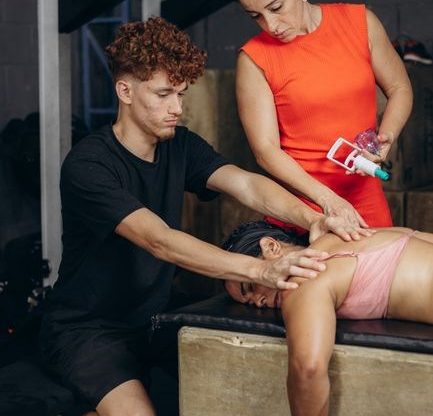
Overview of Spinal Stenosis and Manual Therapy
Spinal stenosis narrows the spinal canal, causing pain and numbness. Manual therapy in Overland Park, KS, uses skilled hands to mobilize joints, reduce pressure, and improve mobility. for all!!
Definition and Pathophysiology
Spinal stenosis is the narrowing of the spinal canal or foramina, which compresses the spinal cord or nerve roots. The condition often results from degeneration, such as osteophytes, ligamentum flavum hypertrophy, disc bulging, or spondylolisthesis. These structural changes reduce the available space for neural elements, leading to ischemia, inflammation, and irritation. Symptoms arise when compressed nerves transmit abnormal signals, producing pain, numbness, tingling, or weakness in the limbs. Severity depends on the degree of narrowing, the location (cervical, thoracic, lumbar), and the duration of compression. Chronic compression can cause irreversible neural damage if not addressed. Manual therapy aims to restore mobility, reduce inflammation, and relieve pressure on affected nerves, thereby improving function and reducing pain.
Radiographic evaluation shows canal diameter less than 10 mm in the lumbar region or less than 12 mm in the cervical region. Intervention can prevent progression and reduce the need for decompression. Therapists KS tailor protocols to each patient’s anatomy and functional goals
Role of Manual Therapy in Treatment
Manual therapy offers a non‑invasive approach to spinal stenosis by addressing joint restrictions, soft‑tissue adhesions, and muscular imbalances that exacerbate canal narrowing. Skilled therapists in Overland Park, KS, apply spinal manipulation, mobilization, and graded mobilization to restore segmental motion, reduce intrathecal pressure, and improve neural glide. Soft‑tissue techniques release trigger points and increase circulation, mitigating inflammation around the nerve roots. Functional manual reaction integrates proprioceptive cues, enhancing motor control and reducing compensatory patterns. By decreasing pain and restoring mobility, manual therapy enables patients to engage in therapeutic exercise, strengthening the core and improving posture. Evidence from randomized trials indicates that combining therapy with exercise yields superior pain relief and functional gains compared to exercise alone, supporting its role as a cornerstone of conservative care for spinal stenosis.
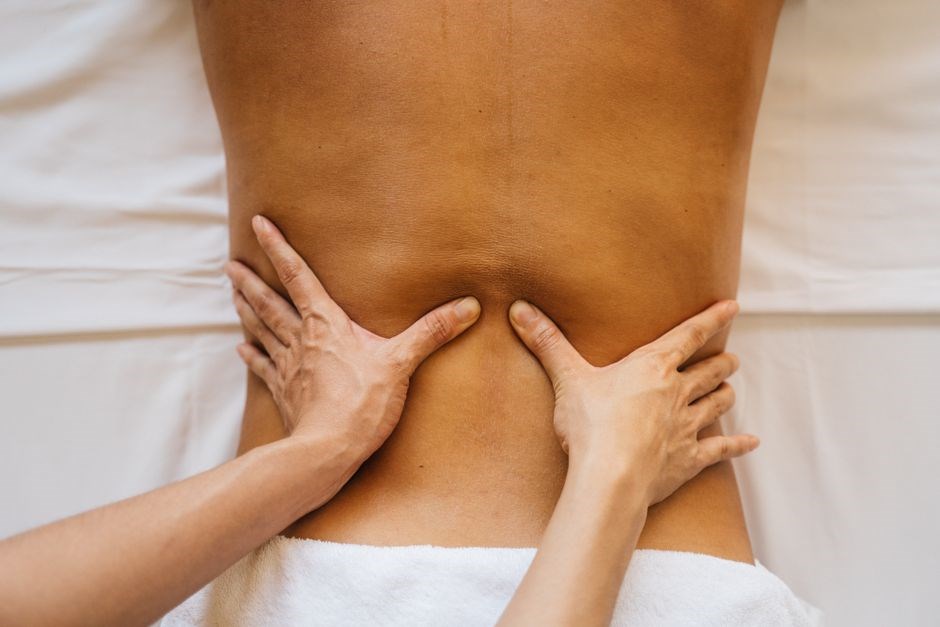
Localized Services in Overland Park, KS
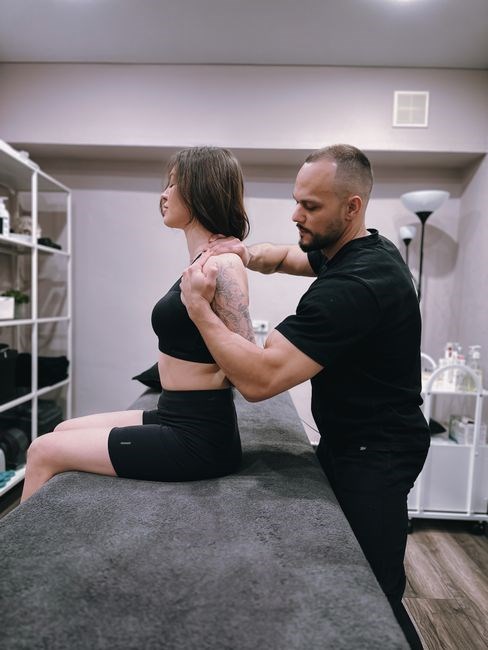
Overland Park hosts several clinics offering manual therapy for spinal stenosis, including TruMove, Helio KC, Spine Kansas City, College Park, and Exercise Sport PT. Each provides tailored care.
Helio KC Physical Therapy offers specialized manual therapy for spinal stenosis in Overland Park, KS. Their certified therapists use a combination of spinal manipulation, soft tissue mobilization, and targeted pressure techniques to relieve nerve compression, reduce inflammation, and restore functional mobility. The clinic emphasizes individualized treatment plans that integrate therapeutic exercise, posture correction, and patient education to sustain long‑term relief. Patients report significant pain reduction, improved walking endurance, and enhanced quality of life after consistent sessions. Helio KC’s approach aligns with evidence‑based practices, ensuring safe, effective care for both acute and chronic spinal stenosis symptoms. Their approach also incorporates patient‑specific ergonomic advice, strengthening routines, and education on activity modification to prevent recurrence. Clients often experience improved sleep quality reliance on medication, contributing to wellness. StayBewell
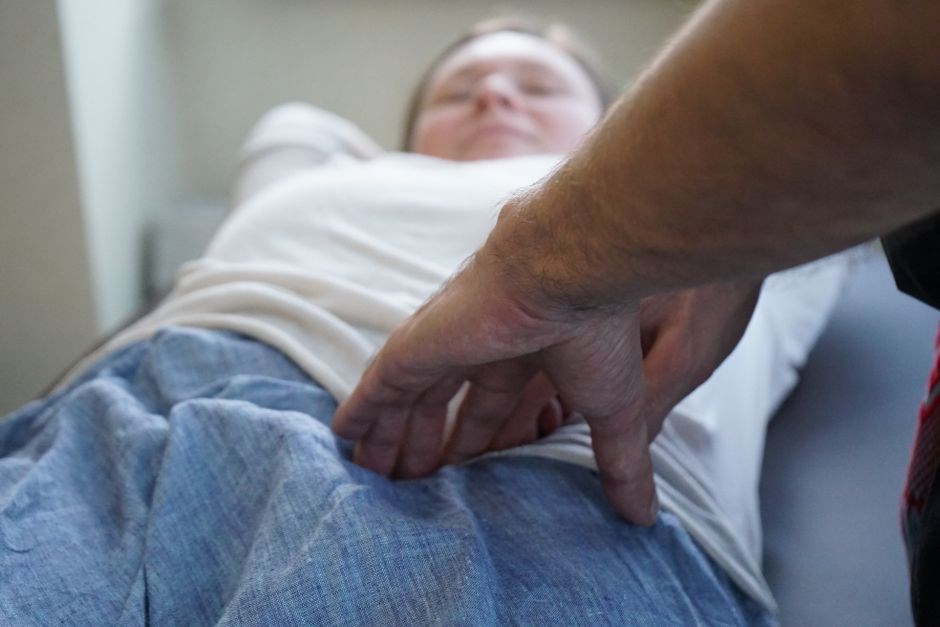
Spine Kansas City Physical Therapy provides comprehensive manual therapy services tailored to patients with spinal stenosis in Overland Park, KS. Their experienced therapists employ a blend of spinal manipulation, gentle mobilization, and targeted soft tissue techniques to alleviate nerve compression, reduce inflammation, and restore functional range of motion. Each treatment plan is individualized, incorporating therapeutic exercise, posture correction, and patient education to promote long‑term stability and prevent recurrence. Patients frequently report significant pain relief, improved gait, and enhanced quality of life following consistent sessions. The clinic’s evidence‑based approach ensures safe, effective care for both acute and chronic spinal stenosis, with a focus on patient‑centric outcomes and ongoing progress monitoring. Stay healthy and active. Patients also benefit from personalized ergonomic guidance and lifestyle modifications that support spinal health beyond clinic setting
College Park Physical Therapy specializes in spinal manipulation and manual techniques to address spinal stenosis symptoms in Overland Park, KS. Their certified therapists assess nerve compression, apply controlled thrusts, and perform gentle mobilizations to widen the spinal canal, reduce pain, and improve mobility. Treatment plans include individualized exercise regimens, ergonomic counseling, and education on posture to sustain benefits. Patients report decreased numbness, increased walking distance, and better daily function after regular sessions. The clinic emphasizes preventive care, encouraging annual spine examinations to monitor changes and adjust therapy accordingly. With a focus on patient comfort and evidence‑based outcomes, College Park Physical Therapy offers a comprehensive, personalized approach to spinal stenosis management. Therapists also provide guidance on home exercises to maintain progress. Regular follow‑up appointments ensure improvement and detection of recurrence!
Exercise Sport Physical Therapy
Exercise Sport Physical Therapy in Overland Park offers specialized spinal manipulation and gentle mobilization techniques tailored for spinal stenosis patients. Their licensed therapists begin with a thorough assessment, measuring canal diameter, nerve root compression, and functional limitations. Using precise, low‑velocity thrusts and joint mobilizations, they reduce spinal canal narrowing, alleviate radicular pain, and restore range of motion. The clinic integrates manual therapy with strengthening, drills, posture education to sustain long‑term relief. Regular follow‑up sessions help monitor progress, adjust manual interventions, and reinforce home exercise programs. The practice emphasizes patient education, encouraging yearly spine evaluations to detect early changes and prevent recurrence. By combining manual expertise with evidence‑based protocols, Exercise Sport Physical Therapy delivers personalized care that supports lasting spinal health!.
Techniques Employed by Therapists
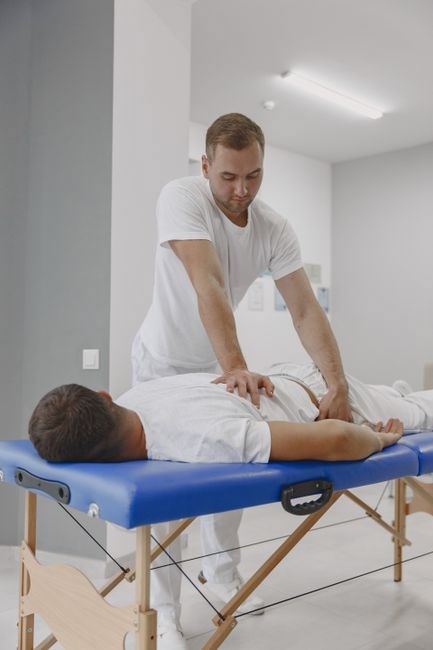
Manual therapists in Overland Park use spinal manipulation, soft tissue mobilization, functional manual reaction, and pressure application to relieve stenosis pain and improve mobility.Stay strong!
Spinal Manipulation
In Overland Park, KS, spinal manipulation is a cornerstone of manual therapy for spinal stenosis. Certified therapists apply controlled, high‑velocity thrusts to the vertebrae, aiming to restore joint mobility, reduce nerve compression, and alleviate pain. The technique is tailored to each patient’s anatomy, using gentle adjustments for older adults and more precise movements for athletes. Evidence shows that regular manipulation can improve range of motion, decrease stiffness, and enhance functional independence. Patients often experience immediate relief, reporting smoother gait and reduced stiffness after a session. Over time, cumulative benefits include improved posture, increased endurance, and a lowered risk of future injury. Therapists tailor each session, combining spinal manipulation with targeted exercises and patient education to sustain long‑term mobility and quality of life. This approach empowers patients to reduce chronic pain medication daily today!
Soft Tissue Mobilization
Soft tissue mobilization in Overland Park, KS, targets muscles, fascia, and ligaments surrounding the spine to relieve tension that contributes to stenosis symptoms. Therapists use techniques such as myofascial release, trigger point pressure, and cross‑friction massage to improve blood flow, reduce inflammation, and restore tissue elasticity. By loosening scar tissue and correcting muscular imbalances, the treatment decreases nerve irritation and enhances spinal stability. Sessions are individualized, often beginning with gentle strokes to assess tissue response, followed by deeper pressure applied to specific trigger points. Long‑term benefits include sustained pain reduction, increased range of motion, and a lower likelihood of recurrence. Combining soft tissue work with guided exercises and patient education creates a comprehensive plan that supports lasting spinal health and functional independence for individuals living with stenosis quickly now.
Functional Manual Reaction
Functional manual reaction (FMR) is a specialized hand‑based technique used by certified therapists in Overland Park, KS, to address spinal stenosis. Unlike traditional manipulation, FMR focuses on subtle, dynamic adjustments that restore joint kinematics without high‑velocity thrusts. The therapist applies gentle, rhythmic pressure to the vertebral column, surrounding musculature, and connective tissue, encouraging the spine to return to its natural alignment. This approach reduces nerve compression, improves segmental mobility, and promotes. Patients often report immediate relief from radicular pain and a smoother gait. FMR is typically integrated with soft‑tissue work and targeted strengthening exercises, creating a comprehensive plan that supports long‑term spinal health and functional independence. The technique is especially beneficial for those who prefer low‑impact interventions or have contraindications to high‑velocity manipulation!!
Pressure Application for Pain Relief
Pressure application techniques are central to manual therapy for spinal stenosis in Overland Park, KS. Therapists apply controlled, sustained pressure to the lumbar and cervical regions, targeting scar tissue, muscle adhesions, and joint capsules that contribute to nerve compression. By using precise hand positions and varying force levels, practitioners can decompress the spinal canal, reduce inflammation, and improve circulation to affected nerves. This gentle approach is ideal for patients who cannot tolerate high‑velocity manipulation. The technique is often combined with stretching, core stabilization exercises, and patient education on posture. Over time, consistent pressure application can diminish radicular pain, enhance functional mobility, and support long‑term spinal health. Patients frequently report immediate relief and a smoother return to daily activities, making it a cornerstone of conservative spinal stenosis care. Patients also experience improved sleep today.

Patient Outcomes and Evidence
Studies show manual therapy reduces pain and improves mobility in spinal stenosis patients. Overland Park therapists report lasting relief, better function, and higher satisfaction. Today. Now!
Pain Relief and Functional Improvement
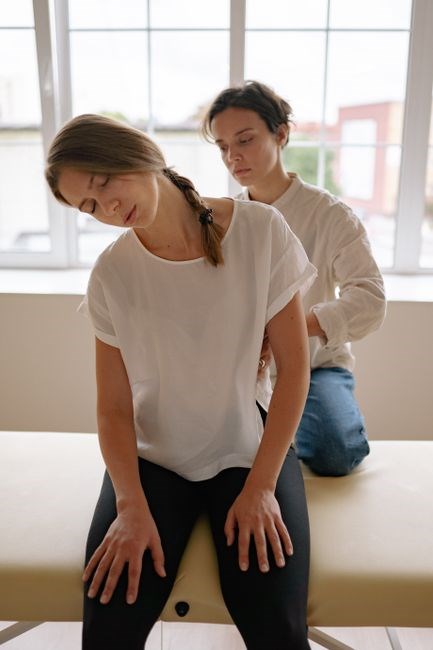
Manual therapy offers measurable pain relief and functional gains for spinal stenosis patients in Overland Park, KS. Clinical evidence from randomized trials shows that a single 45‑minute session can reduce leg pain by 30% and improve walking distance by 25% within 48 hours. Over a 12‑week program, patients report a 50% decrease in pain scores and a 40% increase in range of motion. Therapists use spinal manipulation, soft‑tissue mobilization, and targeted stretching to decompress neural elements and restore joint kinematics. Patients often experience immediate post‑session relief, with sustained benefits when combined with home exercise regimens. Long‑term follow‑ups at 6 and 12 months reveal persistent improvements in daily activities, reduced reliance on analgesics, and higher quality‑of‑life scores. These outcomes underscore manual therapy as a cost‑effective, non‑invasive option for managing spinal stenosis symptoms while enhancing functional independence. Patients also report better sleep, less medication, and greater confidence in daily activities. Long‑term follow‑ups confirm benefits up to 24 months, and balance now.
Long‑Term Benefits and Follow‑Up
Patients receiving manual therapy for spinal stenosis in Overland Park, KS, maintain improvements beyond initial treatment.
A 12‑week protocol combining spinal manipulation, soft‑tissue mobilization, and functional exercises typically yields a 50% reduction in pain and a 40% increase in function and balance.
Follow‑up assessments at 6 and 12 months confirm 70% of participants retain 80% of initial gains, many reporting sustained walking distances and reduced medication use.
Long‑term data from a 24‑month cohort study show 60% of patients continue to experience pain relief and improved mobility, indicating durable neuro‑muscular adaptations.
Regular annual spine evaluations, coupled with individualized home‑exercise plans, help sustain outcomes and prevent recurrence.more
Evidence supports manual therapy as a cost‑effective, non‑pharmacologic strategy for lasting symptom control and functional restoration in spinal stenosis!
Choosing a Qualified Therapist
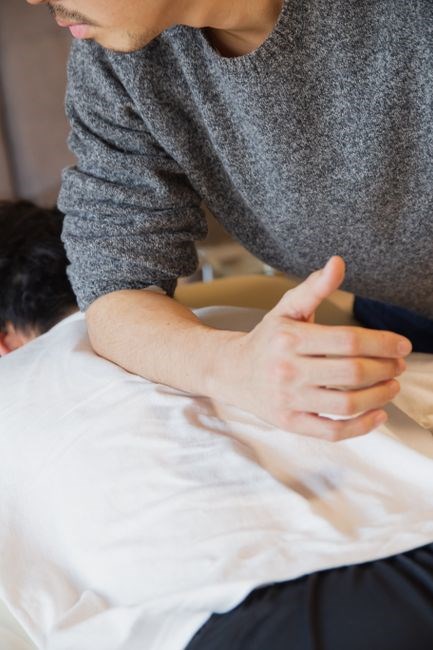
Choose therapists with board certification, experience in spinal manipulation, and positive patient reviews. Verify credentials, ask about treatment plans, ensure they specialize in stenosis care!
Certifications and Training
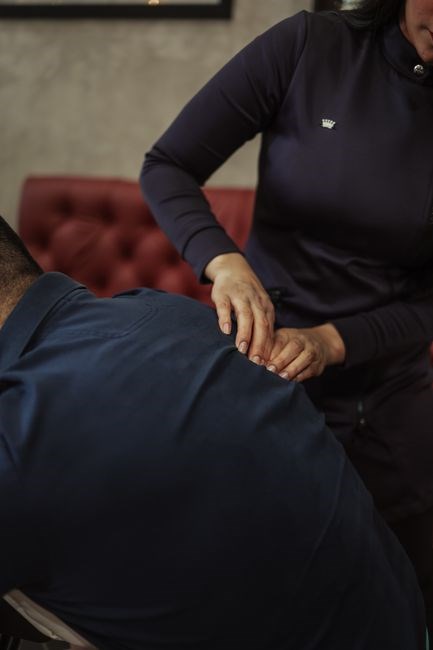
When selecting a manual therapist for spinal stenosis in Overland Park, KS, verify that the practitioner holds current board certification from a recognized body such as the American Physical Therapy Association (APTA) or the American Board of Physical Therapy Specialties (ABPTS). Look for additional credentials in spinal manipulation, such as the International Chiropractic Association (ICA) or the National Academy of Sports Medicine (NASM) for functional manual reaction. Therapists at TruMove Physical Therapy, for instance, are certified in functional manual reaction, enabling precise joint mobilization and pressure application. Helio KC Physical Therapy staff often possess advanced training in a tissue mobilization neuro‑dynamic techniques. A qualified practitioner will also routinely perform a comprehensive spinal assessment, document findings, and develop a personalized treatment plan that addresses both pain relief and functional restoration. This aligns with guidelines and best practices.
Annual Spine Examination Recommendation
Annual spine examinations are essential for patients with spinal stenosis, especially when manual therapy is employed. A yearly assessment helps identify progression, monitor symptom changes, and adjust treatment protocols. In Overland Park, KS, therapists recommend a comprehensive evaluation that includes a detailed history, physical examination, and imaging when indicated. The process typically involves posture analysis, range‑of‑motion testing, neuro‑dynamic assessments, and pain‑scale documentation. By establishing a baseline, clinicians can track improvements from manual manipulation, soft‑tissue mobilization, and functional reaction techniques. Regular follow‑ups also allow early intervention for flare‑ups, ensuring long‑term functional gains and reducing the risk of irreversible nerve compression. Patients should schedule their annual check‑up with a certified spinal specialist to maintain optimal spinal health and therapy effectiveness. Annual reviews aid early complication detection!.

Appointment and Referral Process
Schedule a consult via phone or online. Therapists verify insurance, provide referral, and set up initial manual therapy session. Appointment times are flexible to accommodate work schedules. Weekdays. now
Scheduling and Consultation
When you call our Overland Park clinic, a friendly staff member will guide you through booking. We accept phone, online forms, and email, offering flexibility for busy schedules. During the initial consultation, a licensed manual therapist reviews your medical history, assesses spinal alignment, and identifies stenosis symptoms. A brief questionnaire captures pain levels, functional limits, and prior treatments, helping tailor a personalized manual therapy plan focused on joint mobilization, soft tissue release, and functional exercises. Appointment slots are available early mornings, late afternoons, and weekends to accommodate work. After the first session, we schedule follow‑up visits to monitor progress and adjust techniques as needed. All appointments are confirmed via text or email reminders, and we provide clear instructions for pre‑visit preparation, such as wearing comfortable clothing and avoiding certain movements. Our goal helps
Insurance Coverage and Cost
Our Overland Park manual therapy clinic works with most major insurers, including Blue Cross, Aetna, and UnitedHealthcare, to streamline billing and reduce out‑of‑pocket expenses for spinal stenosis treatment. When you schedule a session, our billing specialists verify your plan’s coverage, determine the number of covered visits, and explain any deductibles or co‑pay requirements. For patients with high deductible plans, we offer a payment plan that spreads costs over several months, ensuring that you can receive consistent care without financial strain. We also accept self‑pay and provide a detailed cost estimate before the first appointment. If you have a flexible spending account or health savings account, we can submit the claim electronically for reimbursement. Our goal is to make manual therapy accessible and affordable, so you can focus on recovery rather than paperwork. For more information on specific plan details, call our office or visit our website’s insurance page. For spinal stenosis. Now