

The Hanuman Chalisa‚ a revered hymn‚ finds a vibrant presence in Kannada‚ allowing devotees to chant its verses in their mother tongue. This version preserves the original devotion while adapting linguistic nuances for local worshippers; It resonates deeply alway
1.1 What is Hanuman Chalisa?
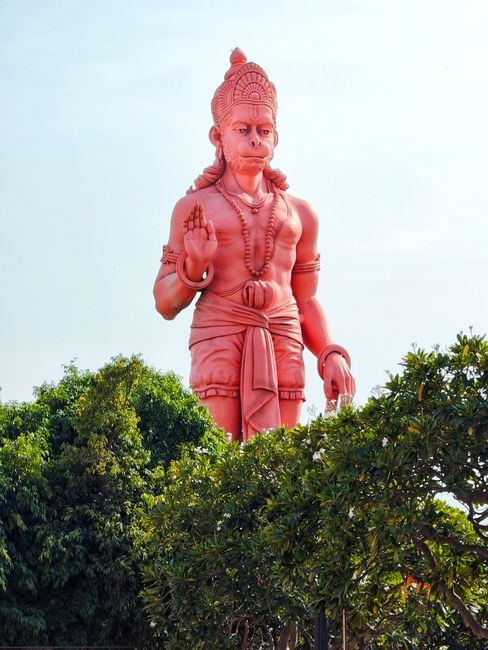
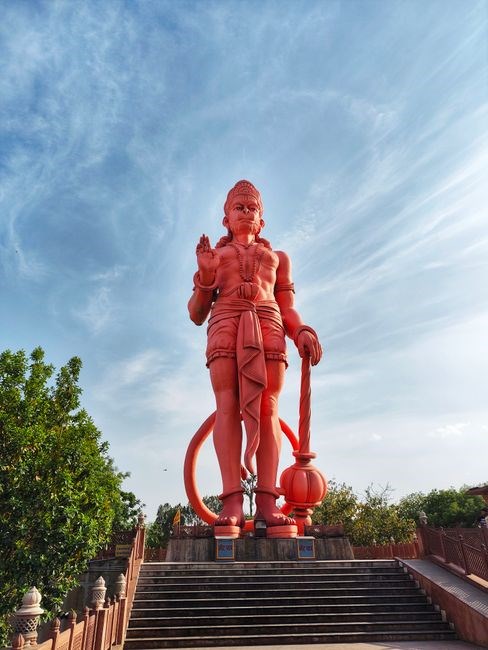
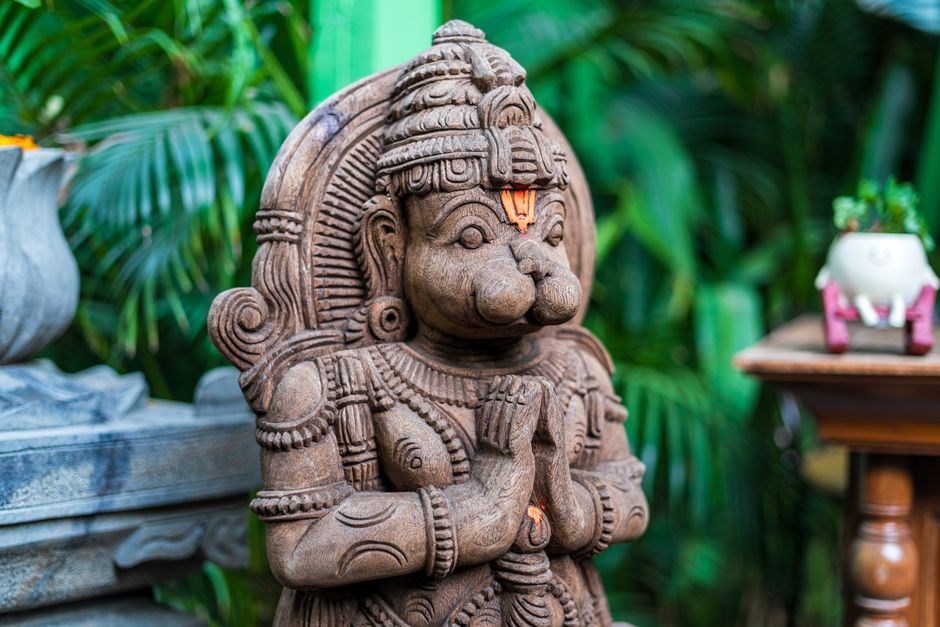
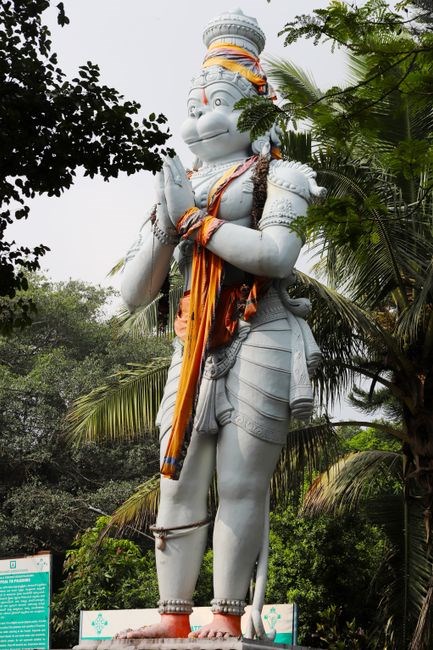
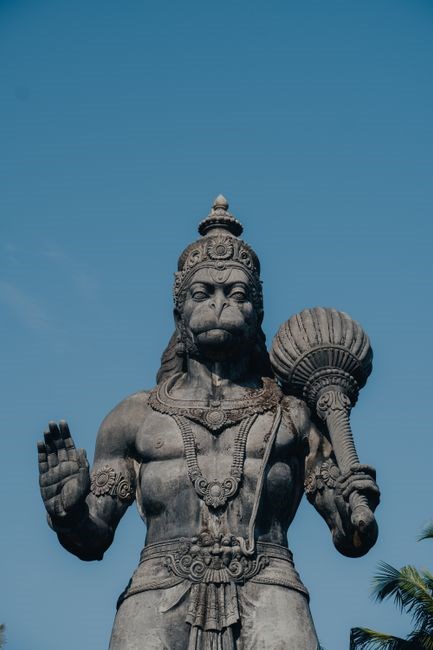
The Hanuman Chalisa is a 40-verse hymn composed by the poet-saint Tulsidas in the 16th century‚ praising the monkey‑godHanuman. It is written in the Awadhi dialect of Hindi‚ but its spiritual message transcends linguistic boundaries. The Chalisa is divided into four stanzas‚ each containing ten verses‚ and is traditionally recited to invoke Hanuman’s strength‚ courage‚ and devotion. The verses describe Hanuman’s divine attributes‚ his unwavering service to Lord Rama‚ and the miracles he performed in epic Ramayana. Devotees believe that chanting the Chalisa brings protection from danger‚ grants courage in adversity‚ and fosters spiritual growth. The hymn is often sung in temples‚ homes‚ and during festivals‚ accompanied by rhythmic drums bells. In addition to its devotional significance‚ the Hanuman Chalisa has become a cultural icon‚ inspiring literature‚ music‚ and film across India. Its verses are revered for their poetic beauty‚ rhythmic cadence‚ profound spiritual insights. The Chalisa is considered a powerful tool for meditation‚ prayer‚ and self‑reflection‚ helping believers align their hearts with divine virtues . The hymn’s widespread popularity has led to numerous translations and adaptations‚ making it accessible to people worldwide. The Kannada version preserves the original meaning and renders the verses in a language for Karnataka’s devotees . Reciting the Kannada Hanuman Chalisa offers devotion and protection . The hymn’s timeless appeal continues to inspire millions‚ making it a cornerstone of Hindu devotional practice across generations .
1.2 Why Kannada Version Matters?
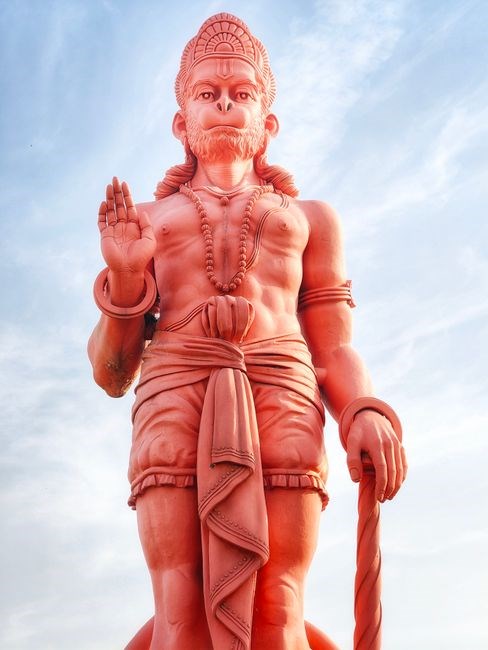
For devotees in Karnataka‚ the Kannada rendition of the Hanuman Chalisa offers a profound connection to the divine that transcends mere translation. By rendering the verses in the mother tongue‚ the hymn becomes more than a recitation; it becomes an intimate dialogue between the devotee and Hanuman. The rhythmic cadence of Kannada‚ with its distinct phonetic qualities‚ enhances the meditative quality of the chant‚ allowing practitioners to internalize the verses more deeply. Moreover‚ the local cultural context—festivals‚ temple rituals‚ and community gatherings—often revolves around Kannada hymns‚ making the Chalisa a natural fit for communal worship. Accessibility is another key factor; many people find it easier to understand and memorize the hymn when it is presented in their native language‚ thereby increasing participation in daily prayers and special observances. The Kannada version also preserves regional literary traditions‚ incorporating idioms and expressions that resonate with local audiences. This cultural relevance fosters a sense of belonging and reinforces the spiritual identity of the community. In addition‚ the availability of the hymn in PDF format ensures that it can be shared‚ printed‚ and stored for future generations‚ preserving the devotional heritage in a digital medium. The combination of linguistic familiarity‚ cultural resonance‚ and technological accessibility makes the Kannada Hanuman Chalisa a vital resource for faith‚ community cohesion‚ and spiritual growth. Its presence enriches daily devotion‚ linking ancient wisdom modern life!!
Historical Background
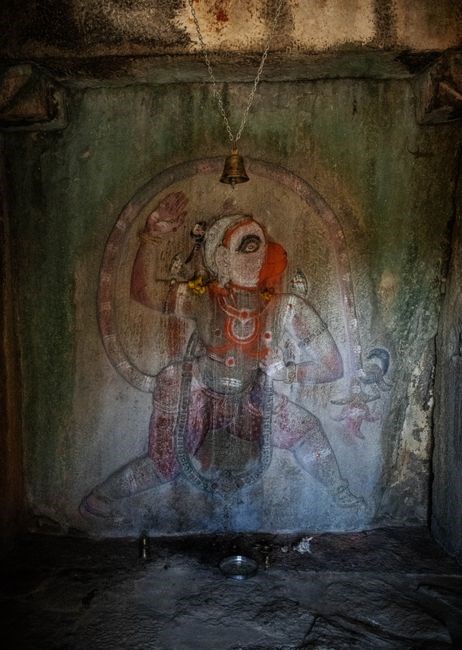
The Hanuman Chalisa‚ originally composed in Awadhi by Tulsidas‚ has traversed centuries‚ reaching Kannada-speaking devotees through translations. These adaptations preserve the hymn’s essence while embedding local linguistic charm‚ ensuring its relevance across generations. deeply
2.1 Original Composition
The Hanuman Chalisa was composed by the 16th‑century poet‑saint Tulsidas in the Awadhi dialect of Hindi. It consists of forty verses‚ each a couplet praising Lord Hanuman’s strength‚ devotion‚ and divine mission. The hymn is structured in a rhythmic meter called “Chaupai‚” which facilitates chanting in both formal worship and personal devotion. Tulsidas‚ a devotee of Lord Rama‚ crafted the Chalisa to encapsulate the virtues of Hanuman—his unwavering faith‚ his courage in battle‚ and his ability to transcend mortal limits. The verses begin with an invocation that acknowledges Hanuman as the “Bajrangbali” and “Anjaneya‚” highlighting his celestial nature. Each stanza narrates specific episodes from the Ramayana‚ such as Hanuman’s leap to Lanka‚ his burning of the city‚ and his unwavering support for Rama’s quest. The poetic language blends vivid imagery with spiritual symbolism‚ making the Chalisa a powerful tool for meditation and reflection. The hymn’s composition reflects Tulsidas’s intent to make divine worship accessible to common people‚ using simple yet profound language. Over centuries‚ the Chalisa has been transmitted orally‚ memorized by devotees‚ and later printed in various regional scripts‚ including Kannada‚ to reach a wider audience. Its enduring popularity is a testament to its spiritual depth and lyrical beauty.
The hymn’s refrain‚ “Shri Hanuman‚ you are the strength of the brave‚” is chanted‚ fosters unity devotees!!!
This enduring composition continues to inspire‚ devotion can overcome any obstacle withand perseverance.
2.2 Translation into Kannada
Translating the Hanuman Chalisa into Kannada has been a meticulous process that respects both linguistic fidelity and devotional nuance. Scholars and poets have collaborated to render each Awadhi verse into Kannada‚ ensuring that the rhythmic cadence and spiritual depth remain intact. The translation process began in the early 20th century‚ when Kannada literary circles sought to make sacred texts more accessible to local devotees. The first Kannada version was published by the Karnataka Sahitya Parishat‚ featuring annotations that explain references and concepts. Subsequent editions refined the diction‚ replacing archaic terms with Kannada that resonates with readers while preserving original meaning.
Key challenges in the translation include maintaining the meter of the original Chaupai‚ which requires careful selection of syllables to preserve the musical quality of the chant. Translators employed techniques such as parallelism and alliteration to mirror the rhythmic flow. They also had to decide how to render divine epithets like “Bajrangbali” and “Anjaneya” in Kannada‚ balancing literal meaning with poetic resonance. The result is a version that feels both familiar and reverential‚ allowing devotees to recite the Chalisa in their native tongue without losing the hymn’s spiritual potency.
Modern digital platforms have further popularized the Kannada Chalisa‚ offering downloadable PDFs and audio recordings. These resources enable people across Karnataka to practice the hymn at home‚ in temples‚ or during personal meditation. The Kannada translation has become a cornerstone of regional religious practice‚ fostering a deeper connection between the text and its audience.
Availability of Kannada PDF Versions
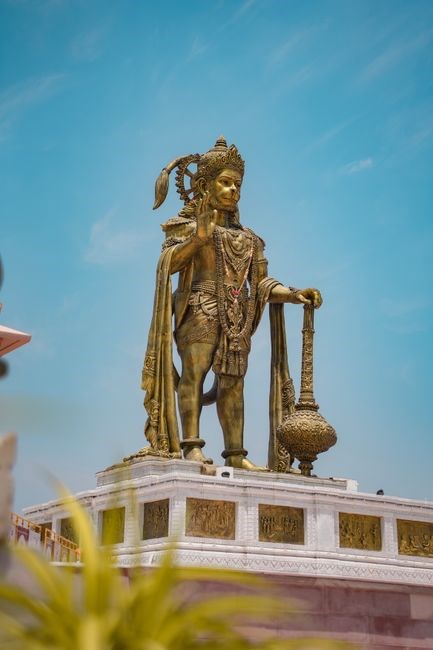
The Kannada Hanuman Chalisa PDF is widely available through reputable sites such as Ex and local temple portals. Users can download free copiesonline now! ensuring they respect copyright laws. These PDFs feature clear typography‚ optional audio links‚ and printable formats for devotional use.
3.1 Popular Sources
Devotees searching for a reliable Kannada version of the Hanuman Chalisa in PDF format will find several reputable online repositories. The official Hanuman.org portal hosts a clean‚ searchable PDF that can be downloaded directly from the “Kannada” section. Another frequent source is the Shri Hanuman Mandir Trust website‚ where a community‑curated collection of devotional texts is available for free‚ often accompanied by transliterations and audio guides. Local temple networks‚ such as the Vishweshwar Temple Digital Library‚ provide downloadable PDFs updated annually to reflect the latest printing standards. The Kannada Devotional Hub on GitHub hosts a repository of open‑source PDFs‚ allowing users to fork and customize the layout for personal use. A more traditional approach is offered by the Deccan Press‚ which provides a limited‑edition PDF that mirrors the print version‚ complete with high‑resolution images of the verses. Each platform typically includes a brief disclaimer about copyright‚ encouraging responsible sharing while respecting the intellectual property of the original translators. By exploring these resources‚ devotees can easily access a high‑quality‚ authentic Kannada Hanuman Chalisa that supports both daily prayer and communal worship.
These platforms offer a robust experience‚ ensuring that the Kannada Hanuman Chalisa remains accessible to all‚ whether on a desktop‚ tablet‚ or mobile device‚ while preserving the sanctity of the original text.
3.2 Legal Considerations
When accessing or distributing a Kannada PDF of the Hanuman Chalisa‚ users must be mindful of copyright laws that govern religious texts. While the original verses are ancient and typically in the public domain‚ modern translations and editorial work may be protected. Many publishers retain exclusive rights to their Kannada renditions‚ requiring explicit permission for any redistribution beyond personal use. The Indian Copyright Act‚ 1957‚ protects literary works for 60 years from the author’s death‚ and translations can be considered derivative works subject to the same term. Consequently‚ downloading a PDF from a reputable source that explicitly states it is in the public domain or has obtained a license is essential. If the PDF is shared on a website or social media‚ it is advisable to include a copyright notice and a link to the original publisher; For academic or research purposes‚ a fair‑use clause may apply‚ but commercial use—such as printing multiple copies for sale—generally requires a license. Some organizations offer free‚ royalty‑free versions under Creative Commons licenses (e.g.‚ CC‑BY or CC‑BY‑SA)‚ which allow sharing provided that attribution is given. Always verify the license before using the PDF in any public or commercial context. If in doubt‚ contacting the publisher or a legal professional can prevent inadvertent infringement and ensure respectful use of the devotional text. By following these legal guidelines‚ devotees can freely share the Kannada Hanuman Chalisa in both digital and print formats while honoring the rights of translators and publisher
How to Download and Use the PDF
To download the Kannada Hanuman Chalisa PDF‚ visit a trusted site‚ click the download link‚ and save the file. Open it with PDF reader‚ bookmark verses‚ and use the search function to locate specific stanzas. For offline use‚ copy the PDF to a USB drive or cloud storage‚ ensuring you have a reader installed.
4.1 Step-by-Step Download Guide
Step 1: Open a web browser and navigate to a reputable source that hosts the Kannada Hanuman Chalisa PDF. Ensure the site uses HTTPS to protect your data. Step 2: Locate the download button or link labeled “Download PDF” or similar. Hover over it to confirm the file size and format. Step 3: Click the link. A dialog may appear asking where to save the file; choose a folder you can easily find later‚ such as “Documents” or “Downloads.” Step 4: Wait for the download to complete. A progress bar will show the percentage and estimated time remaining. Step 5: Once finished‚ open the file with a PDF reader like Adobe Acrobat Reader‚ Foxit Reader‚ or the built‑in viewer on your device. Step 6: If you plan to read offline‚ consider bookmarking the PDF in your browser or moving it to a USB drive or cloud storage for portability. Step 7: For enhanced accessibility‚ use the reader’s zoom and search features to navigate the verses quickly. Step 8: If you encounter any issues‚ such as a corrupted file or a broken link‚ return to the source site and try a different download link or refresh the page. Following these steps ensures a smooth‚ secure‚ and reliable experience when obtaining the Kannada Hanuman Chalisa PDF. You can also share the PDF with friends or family‚ ensuring the sacred verses reach a wider audience while preserving the original Kannada script. Before sharing‚ double‑check the file for any formatting issues‚ such as missing lines or garbled characters‚ to maintain the hymn’s integrity. Finally‚ keep a backup copy on a cloud service or external drive to safeguard against data loss. Enjoy
4.2 PDF Reader Recommendations
Choosing the right PDF reader enhances the experience of reading the Kannada Hanuman Chalisa. Below are recommended applications that support Kannada fonts‚ offer annotation tools‚ and provide offline functionality.
- Adobe Acrobat Reader DC – The industry standard‚ supports full Unicode‚ and offers bookmarking‚ highlighting‚ and text‑to‑speech for Kannada script.
- Foxit Reader – Lightweight‚ fast‚ and includes a “Read Aloud” feature that can pronounce the verses if the Kannada voice pack is installed.
- MuPDF (Xodo) – Ideal for mobile devices; it renders the PDF quickly and lets you add notes or stamps directly on the page.
- SumatraPDF – A Windows reader that loads the file instantly and respects the original layout without clutter.
- Okular (Linux) – Offers annotation‚ PDF form filling‚ and a dictionary for Kannada words.
For those who prefer a web‑based solution‚ Google Chrome or Microsoft Edge can open PDFs directly‚ but they lack advanced annotation features; If you need to share annotated versions‚ exporting to PDF from any of the above readers preserves your markings. Always ensure the reader’s font settings are set to “Default” or “Auto‑detect” so that the Kannada Devanagari glyphs display correctly. When installing on Android or iOS‚ check that the app supports the Kannada language pack; otherwise‚ the text may appear garbled. Finally‚ keep the reader updated to benefit from security patches and improved font rendering. chanting!
4.3 Offline Usage Tips
When you download the Kannada Hanuman Chalisa PDF‚ you can enjoy it anywhere without an internet connection. First‚ store the file in a dedicated folder on your device so you can locate it quickly. If you use a tablet or phone‚ consider creating a shortcut on the home screen for instant access. Many PDF readers allow you to pin a document‚ which keeps it visible even after you close the app.
To preserve battery life‚ enable the reader’s dark mode if available; the reduced blue light also eases eye strain during long recitations. If you plan to read the Chalisa in the evening‚ adjust the screen brightness to a comfortable level. Some readers offer a “night mode” that automatically switches based on the time of day.
For hands‑free listening‚ use the text‑to‑speech feature. Ensure the Kannada voice pack is installed; otherwise‚ the reader may default to a generic language. You can also record your own chanting and sync it with the PDF pages for a personalized devotional experience.
Backup the PDF to cloud storage or an external drive. This protects against accidental deletion and allows you to transfer the file to other devices. When you open the PDF on a new device‚ most readers will automatically download the necessary fonts‚ but having the file locally ensures instant rendering.
Keep the PDF reader updated for better font rendering. Highlight verses or add notes to your practice. Following these tips lets you enjoy the Kannada Hanuman Chalisa anytime‚ anywhere‚ deepening your devotion without internet.!