
AlphaTrak 3 User Guide: Comprehensive Overview (Updated 04/13/2026)
This guide details the new AlphaTrak 3 system, launched by Zoetis for managing feline and canine diabetes, offering improved monitoring capabilities for pet owners.
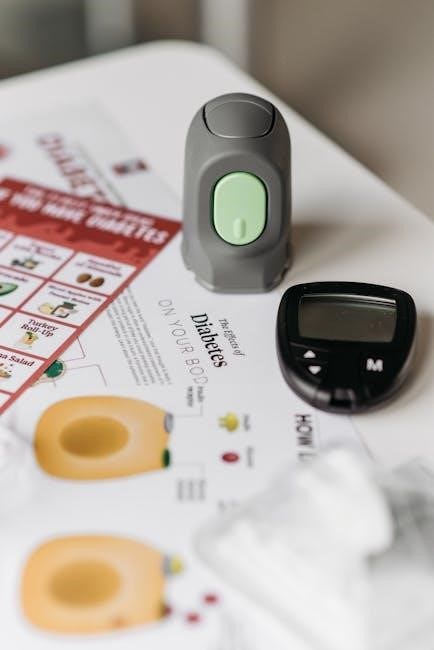
The AlphaTrak 3 is a blood glucose monitoring system specifically designed for cats and dogs diagnosed with diabetes mellitus. Developed by Zoetis, this system represents an advancement over previous models, aiming to provide pet owners and veterinarians with more accurate and reliable data for effective diabetes management.
Regular blood glucose monitoring is crucial for adjusting insulin dosages and maintaining optimal health in diabetic pets. The AlphaTrak 3 facilitates this process by offering a convenient and user-friendly method for obtaining blood glucose readings at home. This system empowers owners to actively participate in their pet’s care, leading to improved outcomes and a better quality of life.
What is Diabetes in Pets and Why Monitor?
Diabetes mellitus in pets, like in humans, occurs when the body doesn’t produce enough insulin or can’t effectively use the insulin it does produce. This leads to elevated blood glucose levels, potentially causing various health complications. Cats and dogs are both susceptible, exhibiting symptoms like increased thirst, frequent urination, and weight loss.
Consistent blood glucose monitoring is vital for managing diabetes. It allows for precise insulin dose adjustments, preventing dangerous fluctuations in blood sugar. Regular monitoring helps avoid hyperglycemia (high blood sugar) and hypoglycemia (low blood sugar), both of which can be life-threatening.
Key Features of the AlphaTrak 3
The AlphaTrak 3 builds upon previous models, offering enhanced features for streamlined diabetes management in pets. A key improvement is its ability to seamlessly integrate with veterinary healthcare teams, facilitating data sharing and collaborative care plans. The system provides accurate and reliable blood glucose readings, crucial for effective insulin dosing.
Furthermore, the AlphaTrak 3 is designed for ease of use, with a user-friendly interface and simplified testing process. It aims to reduce pet stress during sampling and empower owners to actively participate in their pet’s health journey.
Unboxing and Component Identification
Upon opening your AlphaTrak 3 kit, carefully verify all components are present. You should find the AlphaTrak 3 meter itself, a supply of AlphaTrak 3 test strips (quantity varies by kit), and a lancing device specifically designed for pets.

Included are sterile lancets compatible with the lancing device, ensuring a safe and comfortable sampling experience. The kit also contains a concise quick-start guide. Retain the packaging for potential warranty claims or future reference. Inspect each item for any damage before initial use.
AlphaTrak 3 Meter
The AlphaTrak 3 meter is the central component of the system, designed specifically for accurate blood glucose monitoring in cats and dogs. It features a large, easy-to-read display showing glucose levels and key information.
The meter is ergonomically designed for comfortable handling and incorporates advanced technology for reliable results. It requires the dedicated AlphaTrak 3 test strips for accurate readings. Power is supplied by standard batteries, and the device includes data logging capabilities for tracking trends over time.

AlphaTrak 3 Test Strips
AlphaTrak 3 test strips are specifically formulated for use with the AlphaTrak 3 meter, ensuring accurate and reliable blood glucose measurements in pets. These strips utilize advanced enzyme technology to react with the blood sample, providing a precise glucose reading.
It’s crucial to only use AlphaTrak 3 strips with the AlphaTrak 3 meter, as other strips may yield inaccurate results. Proper storage of the test strips, in a cool, dry place, is essential to maintain their integrity and effectiveness. Always check the expiration date before use.
Lancing Device and Lancets

The AlphaTrak 3 system includes a lancing device designed for comfortable and efficient blood sample collection from your pet. This device allows for adjustable penetration depth, catering to different skin thicknesses and ensuring minimal discomfort.
Compatible lancets are essential for safe and hygienic sampling. Always use a fresh, sterile lancet for each test to prevent infection and ensure accurate results. Proper disposal of used lancets in a sharps container is vital for safety. Adjust the device settings based on your pet’s needs.
Setting Up Your AlphaTrak 3
Before initiating blood glucose monitoring, proper setup of your AlphaTrak 3 meter is crucial for accurate readings. This involves inserting batteries, if required, and powering on the device. Familiarize yourself with the meter’s buttons and display screen.

The initial setup will prompt you to configure essential settings, including date and time. Accurate date and time settings are vital for proper data logging and trend analysis. Following these steps ensures the AlphaTrak 3 is ready for calibration and testing.
Initial Meter Setup & Date/Time
Upon powering on the AlphaTrak 3 for the first time, the meter will guide you through the initial setup process; This begins with selecting your preferred language and units of measurement (mg/dL or mmol/L).
Subsequently, you’ll be prompted to set the current date and time. Precise date and time input is essential for accurate record-keeping and tracking of glucose trends over time. Ensure accuracy during this step, as it impacts data analysis and veterinary reporting.
Calibrating the Meter
Regular calibration of your AlphaTrak 3 meter ensures the highest accuracy of blood glucose readings. Calibration is recommended whenever a new batch of test strips is used, or if readings seem inconsistent with your pet’s clinical signs.
The AlphaTrak 3 utilizes a control solution specifically designed for this purpose. Follow the on-screen prompts, applying the control solution to a test strip and comparing the result to the range printed on the vial. Proper calibration is vital for reliable diabetes management.
Performing a Blood Glucose Test
Accurate blood glucose monitoring is crucial for effective diabetes management in your pet. This section details the steps for obtaining a reliable reading with your AlphaTrak 3 system.

Begin by preparing the lancing device, selecting an appropriate lancet depth for your pet’s skin thickness. Gently obtain a sufficient blood sample, avoiding excessive squeezing. Apply the blood to the designated area of the AlphaTrak 3 test strip, ensuring complete coverage for an accurate result within seconds.
Preparing the Lancing Device
Proper lancing device preparation ensures a comfortable and efficient blood sampling experience for your pet. Begin by inserting a fresh, sterile lancet firmly into the lancing device, following the manufacturer’s instructions for secure placement.
Next, adjust the depth setting on the device according to your pet’s skin thickness – start with a shallower setting and increase if needed. Always use a new lancet for each test to maintain sterility and minimize discomfort.
Obtaining a Blood Sample
Gently warm your pet’s ear with a warm compress to encourage blood flow. Apply the lancing device to a clean, dry area of the ear margin, avoiding veins and heavily pigmented spots.
Press the release button on the lancing device firmly and quickly. Gently massage the ear towards the puncture site to encourage a small drop of blood to form. Avoid squeezing excessively, as this can dilute the sample and affect accuracy.
Applying Blood to the Test Strip
Insert a new AlphaTrak 3 test strip into the meter, ensuring the correct orientation as indicated on the device. The meter will power on automatically.
Gently touch the edge of the blood drop to the designated sample port on the test strip. Do not smear the blood; allow the strip to draw in the sample via capillary action. The meter will begin counting down, displaying the blood glucose reading within seconds.
Understanding Your Results
Interpreting blood glucose readings is crucial for effective diabetes management in your pet. The AlphaTrak 3 provides numerical values requiring context.
Normal ranges differ between cats and dogs, necessitating species-specific evaluation. Consistent monitoring helps establish a baseline and identify trends. Discuss target ranges with your veterinarian, as individual needs vary based on treatment plans and overall health. Regularly reviewing results with your vet is essential for adjusting insulin dosages and ensuring optimal control.
Glucose Level Ranges for Cats
Understanding feline glucose ranges is vital for effective diabetes care. A normal blood glucose level for cats typically falls between 80-120 mg/dL when fasting. Levels between 121-180 mg/dL may indicate pre-diabetes or early-stage disease.
Readings consistently above 200 mg/dL suggest diabetes, requiring veterinary intervention. Hypoglycemia (below 80 mg/dL) is a serious concern and demands immediate attention. These ranges serve as guidelines; your veterinarian will establish personalized targets based on your cat’s specific needs.
Glucose Level Ranges for Dogs
Monitoring glucose levels in dogs is crucial for diabetes management. A normal fasting blood glucose level for dogs generally ranges from 80-100 mg/dL. Values between 101-120 mg/dL may warrant further investigation by your veterinarian.
Levels exceeding 120 mg/dL consistently suggest diabetes. Hypoglycemia, defined as a reading below 70 mg/dL, is a medical emergency. These ranges are indicative; your vet will tailor target levels to your dog’s individual health profile and treatment plan.
Data Logging and Trend Analysis
The AlphaTrak 3 facilitates meticulous data logging of blood glucose readings. Regularly recording results allows you to identify patterns and trends in your pet’s glucose levels over time. This historical data is invaluable for adjusting insulin dosages and dietary plans in consultation with your veterinarian.
Consistent monitoring reveals how your pet responds to treatment, enabling proactive management of their diabetes. Analyzing trends helps optimize control and minimize fluctuations, improving overall health and well-being.
Troubleshooting Common Issues
Encountering issues with the AlphaTrak 3 is possible; this section addresses frequent concerns. Meter error messages require referencing the device’s code list within this guide, or contacting Zoetis support for clarification. Inaccurate readings often stem from improper sample application or expired test strips – ensure correct technique and strip validity.
If problems persist, double-check calibration and lancing device settings. Always consult your veterinarian if you’re unable to resolve issues, as they can provide tailored guidance.
Meter Error Messages
The AlphaTrak 3 displays error codes to indicate specific problems. “Lo” signifies a result below the meter’s detection range, potentially requiring a new test strip. “Hi” indicates a reading exceeding the maximum measurable level, suggesting a re-test is needed.
“Err” generally points to a system malfunction; try restarting the meter. If errors persist, consult the comprehensive error code list in the full user manual or contact Zoetis customer support for detailed assistance and potential solutions.
Inaccurate Readings
Several factors can contribute to inaccurate blood glucose readings with the AlphaTrak 3. Ensure test strips are unexpired and properly stored, as humidity and temperature affect their reliability. Confirm sufficient blood volume is applied to the strip, avoiding smearing or underfilling.
Proper lancing device depth and cleaning the injection site are crucial. If inconsistencies persist, recalibrate the meter and verify technique; consult your veterinarian to rule out underlying health issues impacting results.
Maintaining Your AlphaTrak 3 System
Regular maintenance ensures accurate and reliable performance of your AlphaTrak 3. Clean the meter regularly with a soft, damp cloth – avoid harsh chemicals or abrasives. Disinfect the lancing device after each use with isopropyl alcohol to prevent infection.
Store test strips in their original container, tightly sealed, in a cool, dry place, away from direct sunlight. Proper storage extends their lifespan and maintains accuracy. Always check expiration dates before use.
Cleaning and Disinfection
Maintaining hygiene is crucial for accurate readings and preventing infection. After each use, wipe the AlphaTrak 3 meter with a soft cloth lightly dampened with water. Avoid abrasive cleaners or immersing the meter in liquid.
Disinfect the lancing device thoroughly after every blood sample collection. Use 70% isopropyl alcohol on all surfaces that come into contact with blood. Allow to air dry completely before reuse. This minimizes the risk of bacterial contamination.
Test Strip Storage
Proper storage of AlphaTrak 3 test strips is vital for reliable results. Always store unused strips in their original vial, tightly closed to protect them from humidity and air exposure. Keep the vial in a cool, dry place, ideally between 60°F and 86°F (15°C and 30°C).
Avoid direct sunlight and extreme temperatures. Do not refrigerate or freeze the strips. Discard any strips that are expired or appear damaged, as they may yield inaccurate glucose readings.
Resources and Support
For comprehensive assistance with your AlphaTrak 3 system, Zoetis provides a dedicated website with frequently asked questions, video tutorials, and downloadable resources. This online platform offers valuable insights into diabetes management in pets and troubleshooting common issues.
Crucially, always consult with your veterinarian for personalized guidance regarding your pet’s diabetes treatment plan and interpretation of blood glucose results. Your vet remains your primary resource for optimal pet health.

Zoetis AlphaTrak Website
The official Zoetis AlphaTrak website serves as a central hub for all product-related information and support. Here, you’ll discover an extensive FAQ section addressing common user queries, alongside detailed instructional videos demonstrating proper testing techniques.
Downloadable resources, including quick start guides and comprehensive user manuals, are readily available. The website also features valuable articles on understanding pet diabetes and effectively utilizing the AlphaTrak 3 for optimal glucose monitoring and management.

Veterinary Consultation
Regular consultation with your veterinarian is crucial when using the AlphaTrak 3 system. While the meter provides valuable glucose readings, professional interpretation is essential for adjusting insulin dosages and treatment plans effectively.
Your vet can help establish personalized target glucose ranges for your pet, considering their individual health status and diabetes severity. Discuss any concerns or unusual readings with your veterinarian promptly to ensure optimal care and prevent potential complications.