
Article Plan: Basic Hand Sewing Stitches PDF
This comprehensive guide details essential hand stitches, offering a downloadable PDF resource for beginners and experienced sewers alike․ It covers techniques for repairs and creative projects!
Hand sewing, a foundational skill in textile arts, transcends mere repair; it’s a connection to history and a pathway to unique creation․ Before the advent of modern sewing machines, all garments and textiles were meticulously crafted by hand․
Today, while machines offer speed, hand sewing retains its value for delicate work, alterations, and projects where precision is paramount․ A basic hand sewing stitches PDF serves as an invaluable resource, unlocking a world of possibilities․ This guide will explore fundamental stitches – running, back, whip, slip, and catch – alongside specialized techniques like blanket stitch․
Mastering these stitches empowers you to mend, embellish, and even construct entire garments, fostering creativity and self-sufficiency․
Why Learn Hand Sewing?
Beyond its historical significance, learning hand sewing offers numerous practical and creative benefits․ A basic hand sewing stitches PDF provides the foundation for quick repairs – mending seams, replacing buttons, or patching holes – extending the life of your clothing and textiles․
It’s also ideal for projects unsuitable for machine sewing, like delicate fabrics or intricate applique․ Hand sewing fosters mindfulness and patience, offering a relaxing alternative to fast-paced life․ Furthermore, it’s a portable skill, requiring minimal equipment, making it perfect for travel or on-the-go mending․
Ultimately, hand sewing empowers you with self-reliance and artistic expression․
Essential Tools for Hand Sewing
Embarking on hand sewing, guided by a basic hand sewing stitches PDF, requires a few key tools․ Naturally, you’ll need needles – a variety pack ensures the right size for different fabrics․ Thread selection is crucial; match the weight and fiber content to your material․
Sharp scissors are indispensable for precise fabric cutting․ A thimble protects your finger while pushing the needle through tougher materials․ Other helpful items include a seam ripper for correcting mistakes, pins to hold fabric layers together, and a measuring tape for accurate measurements․
Needles: Types and Sizes
A basic hand sewing stitches PDF will often mention needle selection․ Hand sewing needles come in various types and sizes, each suited for different fabrics and tasks․ Sharps are all-purpose, while betweens are shorter and ideal for delicate work․ Embroidery needles have larger eyes for thicker threads․
Needle size is indicated by a number; higher numbers denote thicker needles․ For fine fabrics, use sizes 9-11․ Medium-weight fabrics require sizes 12-14, and heavier fabrics benefit from sizes 16-18․ Choosing the correct needle size prevents fabric damage and ensures smooth stitching․
Thread: Materials and Selection
A basic hand sewing stitches PDF guide emphasizes thread choice; Thread materials significantly impact project durability and appearance․ Cotton thread is excellent for quilting and general sewing, while polyester thread offers strength and resistance to shrinking․ Silk thread is ideal for delicate fabrics and hand embroidery․
Thread weight refers to its thickness; higher numbers indicate thicker threads․ Match thread weight to fabric weight for balanced results․ Consider thread color – matching or contrasting can create different effects․ Always test thread on a fabric scrap before starting your project!
Other Useful Tools (Scissors, Thimble, etc․)
A basic hand sewing stitches PDF often highlights essential accessories․ Sharp fabric scissors are crucial for clean cuts, differing from paper scissors․ A thimble protects your finger while pushing the needle through fabric, preventing injury․ Seam rippers are invaluable for correcting mistakes – a common occurrence even for experts!
Pins hold fabric layers together before sewing․ Measuring tapes ensure accurate measurements․ Needle threaders simplify threading needles, especially for those with limited dexterity․ These tools enhance efficiency and precision in hand sewing projects․
Preparing Your Fabric for Hand Sewing
Before diving into basic hand sewing stitches PDF projects, proper fabric preparation is key․ Begin by pre-washing your fabric to prevent shrinkage after sewing․ Ironing removes wrinkles, providing a smooth surface for accurate stitching․ Cutting fabric accurately, following pattern pieces, is vital for a well-finished result․
Consider fabric grain – aligning stitches with the grain ensures stability․ Marking fabric with tailor’s chalk or a fabric pen helps with precise placement․ A prepared fabric base significantly improves the quality and appearance of your hand-sewn items․
The Running Stitch
The running stitch, a foundational technique in basic hand sewing stitches PDF guides, is characterized by simple, evenly spaced stitches․ To execute, bring the needle up and down through the fabric, creating a dashed line․ This is a quick method for temporary seams or gathering fabric․
For gathering, increase stitch length; for basting, use a longer stitch․ Mastering this stitch is crucial as it forms the basis for more complex techniques․ It’s a versatile stitch, ideal for beginners and quick repairs․
Step-by-Step Guide to the Running Stitch
Begin with a knot at the end of your thread․ Bring the needle up through the fabric․ Then, take a small stitch forward, inserting the needle back down․ Continue this “up and down” motion, maintaining consistent stitch length – typically small for strength, larger for gathering, as detailed in basic hand sewing stitches PDF resources․
Keep stitches relatively even․ When finished, secure the stitch with a knot․ Practice makes perfect! This simple stitch, often the first learned, is a cornerstone of hand sewing, enabling quick and effective fabric joining․
Uses for the Running Stitch (Gathering, Basting)
The running stitch is incredibly versatile․ For gathering fabric – like creating ruffles – use long stitches and pull the thread to cinch the material․ As highlighted in many basic hand sewing stitches PDF guides, it’s also excellent for basting, a temporary stitch used to hold fabric layers together before a more permanent seam․
Basting allows for adjustments before final sewing․ It’s ideal for fitting garments or securing appliqués․ Remember to remove basting stitches once the final seam is complete, ensuring a clean finish!
The Back Stitch
The back stitch is a strong, reliable stitch, often used as a hand-sewn substitute for a machine stitch․ Many basic hand sewing stitches PDF resources emphasize its durability․ It creates a solid line of stitching, making it perfect for seams that need to withstand stress․
To execute the back stitch, you bring the needle forward, then backward to the starting point, creating overlapping stitches․ This technique ensures a secure and neat seam․ It’s also frequently employed for outlining embroidery designs, providing a crisp, defined edge․
Step-by-Step Guide to the Back Stitch
Begin by bringing the needle up through the fabric, marking your starting point․ Take a stitch forward, then bring the needle back up a stitch length behind where your thread emerged․ This is key! Insert the needle into the end of the previous stitch, creating a backward movement․
Continue this process – stitch forward, then back to the end of the last stitch – creating a solid line․ Basic hand sewing stitches PDF guides often illustrate this clearly․ Ensure consistent stitch length for a neat appearance․ Secure the end with a knot․
Uses for the Back Stitch (Strong Seams, Outlines)
The back stitch excels at creating durable seams, mimicking the strength of machine stitching․ Basic hand sewing stitches PDF resources highlight its reliability for areas needing reinforcement, like garment construction or bag making․ It’s also superb for outlining embroidery designs, providing a crisp, defined edge․
Consider using it for repairs where a strong hold is crucial․ Its robust nature makes it ideal for mending tears or reinforcing weak areas․ Many hand sewing stitch guides recommend it for projects demanding longevity and a polished finish․
The Whip Stitch
The whip stitch is a versatile hand sewing technique, characterized by its diagonal stitches wrapping around fabric edges․ Basic hand sewing stitches PDF guides often feature it as a beginner-friendly stitch, perfect for hemming and appliqué․ It’s created by bringing the needle over the fabric edge, creating a series of evenly spaced, angled stitches․
This stitch is particularly useful for binding edges, preventing fraying, and creating a neat finish․ Many resources demonstrate its effectiveness on felt projects and quick repairs․ Mastering the whip stitch is a foundational step in any hand sewing journey․
Step-by-Step Guide to the Whip Stitch
Begin by threading your needle and knotting the end of the thread․ Bring the needle up through the fabric, close to the edge․ Basic hand sewing stitches PDF resources illustrate this clearly․ Then, insert the needle diagonally across the edge, creating a short stitch․
Continue wrapping the thread around the edge, maintaining consistent stitch length and spacing․ Pull the thread taut after each stitch․ Repeat this process until the entire edge is secured․ Finally, knot the thread securely to finish․ Practice makes perfect – refer to visual guides for clarity!
Uses for the Whip Stitch (Hemming, Applique)
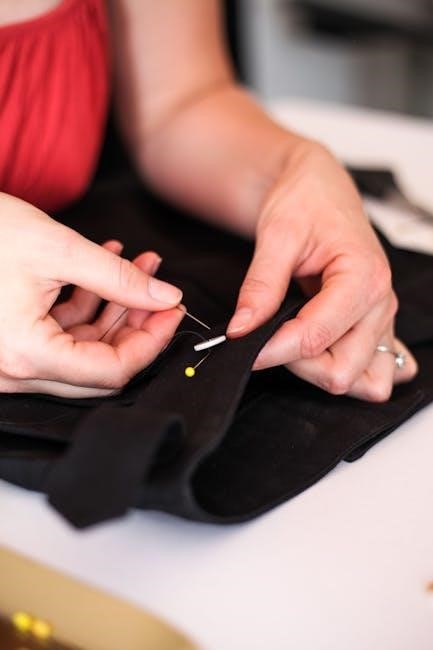
The whip stitch excels at hemming fabrics, providing a neat and durable finish, as detailed in many basic hand sewing stitches PDF guides․ Its simple overcasting motion quickly secures raw edges․ It’s also ideal for applique, attaching fabric shapes onto a background․
This stitch is particularly effective for binding edges and creating a clean, finished look․ Furthermore, the whip stitch is frequently used in crafts and embroidery for decorative purposes․ Its versatility makes it a staple for both practical repairs and creative projects, offering a secure and visually appealing result․
The Slip Stitch
The slip stitch is renowned for creating nearly invisible hems, a technique frequently highlighted in basic hand sewing stitches PDF tutorials․ This is achieved by “slipping” the needle within the fold of the fabric, concealing the thread․ It’s also perfect for closing openings after stuffing toys or pillows, offering a discreet finish․
Mastering the slip stitch requires patience, but the result is a professional-looking seam․ Many guides emphasize its use for delicate fabrics where visible stitches are undesirable․ It’s a go-to stitch for alterations and repairs, ensuring a seamless and polished appearance․
Step-by-Step Guide to the Slip Stitch
Begin by turning up the hem and pressing it into place․ Knot your thread and hide the knot within the fold․ Take a tiny stitch in the folded edge, then a small stitch in the garment fabric directly above it․ Continue alternating between the fold and the garment, “slipping” the needle within the fold for extended distances․
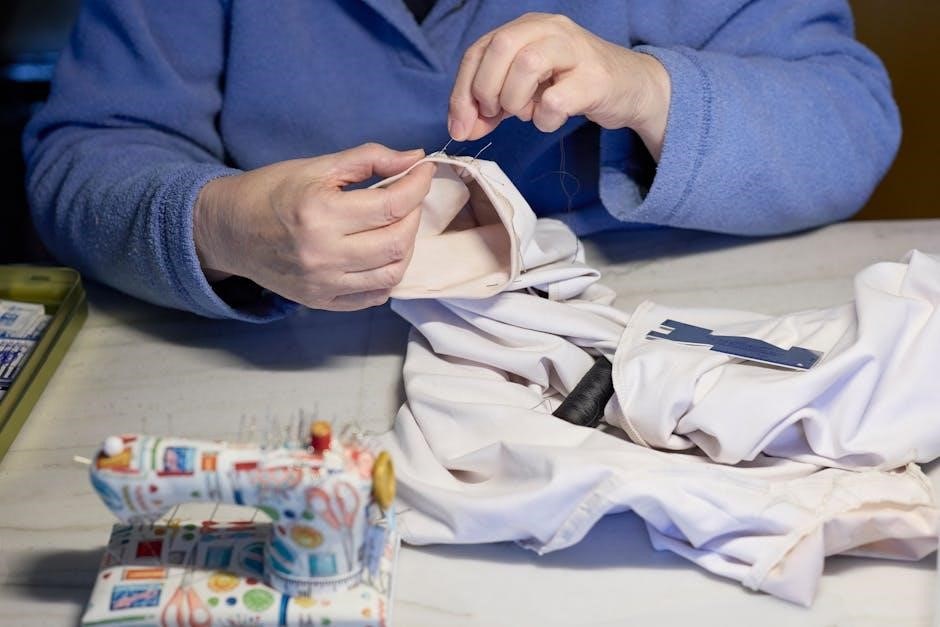
Pull the thread gently after each stitch, ensuring the fabric edges meet neatly․ Avoid pulling too tightly, which can cause puckering․ Secure the end with a knot hidden within the fold, referencing basic hand sewing stitches PDF guides for visual clarity․
Uses for the Slip Stitch (Invisible Hemming, Closing Openings)
The slip stitch excels at creating nearly invisible hems, making it ideal for garments where a clean finish is paramount․ It’s also perfect for closing openings left for turning, like in pillows or stuffed animals, offering a discreet closure․ Referencing a basic hand sewing stitches PDF will demonstrate its subtlety․
This stitch is favored when you don’t want visible stitching, preserving the garment’s aesthetic․ It’s commonly used in tailoring and delicate fabrics․ Mastering the slip stitch elevates your hand sewing skills, providing professional-looking results for various projects․
The Catch Stitch
The catch stitch is a robust hand stitch, particularly well-suited for hemming lined fabrics․ It creates a secure hold, preventing the lining from pulling away from the outer fabric․ A basic hand sewing stitches PDF will visually illustrate the crisscross pattern formed by this stitch․
Its angled stitches “catch” both layers of fabric, providing stability and preventing fraying․ This makes it an excellent choice for projects requiring durability and a neat finish․ The catch stitch is a valuable addition to any hand sewer’s repertoire, offering both strength and a clean appearance․
Step-by-Step Guide to the Catch Stitch
Begin by anchoring your thread within the seam allowance of both fabric layers․ Bring the needle up through the outer fabric, creating a small stitch․ Then, take a tiny stitch on the lining, catching only a few threads․
Bring the needle back up through the outer fabric, slightly ahead of the previous stitch․ Repeat this process, alternating between the outer fabric and the lining, creating a diagonal, crisscross pattern․ A basic hand sewing stitches PDF will demonstrate this clearly․ Secure the end with a knot․
Uses for the Catch Stitch (Hemming Lined Fabrics)
The catch stitch excels at hemming lined fabrics, providing a secure and nearly invisible finish․ Unlike other methods, it prevents the lining from rolling outwards․ This stitch is ideal for jackets, skirts, and garments where a clean, professional hem is crucial․
A basic hand sewing stitches PDF will illustrate how the angled stitches anchor the lining to the outer fabric․ It’s particularly useful when you want to avoid visible machine stitching․ Mastering this technique elevates your sewing projects!
The Blanket Stitch
The blanket stitch is a versatile hand sewing technique, renowned for its decorative appeal and functional strength․ Originally used to finish the edges of blankets (hence the name!), it prevents fraying and adds a charming, handcrafted look․ A basic hand sewing stitches PDF will demonstrate the looped stitches created along the fabric edge․
It’s excellent for appliqué, securing edges, and creating a visible, decorative border․ This stitch is frequently used in felt crafts and offers a robust finish․ Learning the blanket stitch expands your creative possibilities!
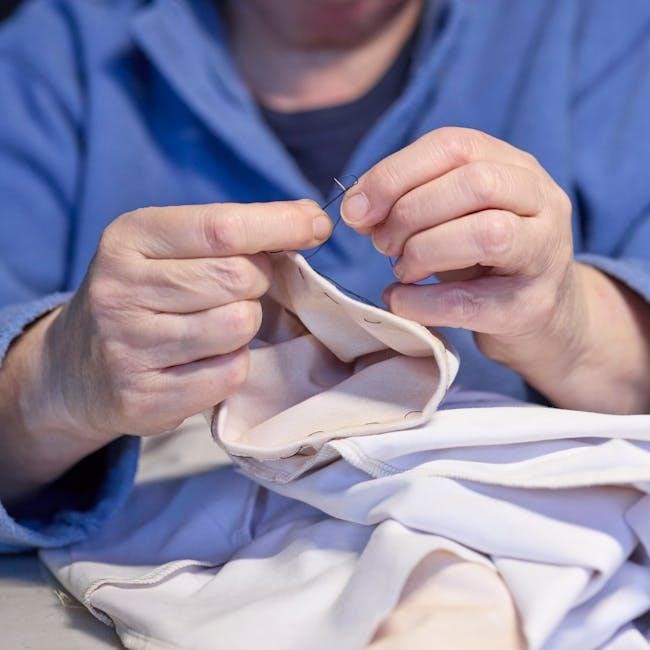
Step-by-Step Guide to the Blanket Stitch
Begin by bringing the needle up through the fabric, leaving a small loop․ Then, insert the needle back into the fabric a short distance away․ A basic hand sewing stitches PDF will visually guide you․ Next, pass the needle through the loop you initially created, pulling it taut․
Repeat this process, maintaining consistent stitch length and spacing․ Ensure each stitch anchors securely to the fabric edge․ Practice makes perfect! The loop should always be on the same side of the fabric․ This creates a neat, decorative, and durable edge․
Uses for the Blanket Stitch (Finishing Edges, Decorative Stitching)
The blanket stitch excels at finishing raw edges, preventing fraying and adding a polished look – a key skill detailed in any basic hand sewing stitches PDF․ It’s ideal for felt projects, appliqué, and securing bindings․ Beyond practicality, the blanket stitch is wonderfully decorative!
Use contrasting thread colors for a bold accent, or match the fabric for a subtle finish․ It’s frequently used on blankets (hence the name!), but also on clothing, bags, and home décor․ Explore variations in stitch length and spacing for unique effects․
Basting Stitches (Temporary Stitches)
Basting stitches are invaluable temporary holds, crucial for projects detailed in a basic hand sewing stitches PDF․ These long, loose stitches secure fabric layers before permanent sewing, allowing adjustments and precise alignment․ They’re perfect for gathering, easing, or holding pleats in place․
Common basting techniques include straight basting and diagonal basting․ Remember to use a contrasting thread color for easy removal! Basting is especially useful when working with slippery or delicate fabrics․ Once the final stitching is complete, carefully remove the basting stitches․
Securing Your Stitches (Knots)
Properly securing your stitches is vital, as detailed in any good basic hand sewing stitches PDF; A simple knot prevents unraveling and ensures durability․ The most common method involves looping the thread and passing the needle through the loop before tightening․
For extra security, consider a backstitch knot – creating a small backstitch near the knot․ Different fabrics may require slightly adjusted knot tightness․ Practice these techniques to master secure stitch endings․ A well-tied knot is the foundation of lasting hand-sewn creations!
Troubleshooting Common Hand Sewing Problems
Even with a basic hand sewing stitches PDF guide, challenges arise․ Tangled thread is frequent; try shorter thread lengths and slow, deliberate movements․ Uneven stitches often stem from inconsistent tension – practice maintaining a uniform pull․
If the fabric puckers, loosen your tension․ Needle breakage indicates using the wrong size needle for the fabric․ A thimble protects fingers and aids in pushing the needle through tougher materials․ Don’t be discouraged; practice makes perfect!
Hand Sewing vs․ Machine Sewing: A Comparison
While a basic hand sewing stitches PDF provides foundational skills, understanding the differences between hand and machine sewing is crucial․ Machine sewing excels in speed and creating consistently strong seams, ideal for large projects․
Hand sewing offers portability, precision, and a delicate touch, perfect for repairs, embellishments, and garments requiring intricate detail․ It’s also quieter and requires no electricity! Learning basic hand stitches, even with machine access, expands your crafting toolkit and problem-solving abilities․
Resources for Further Learning
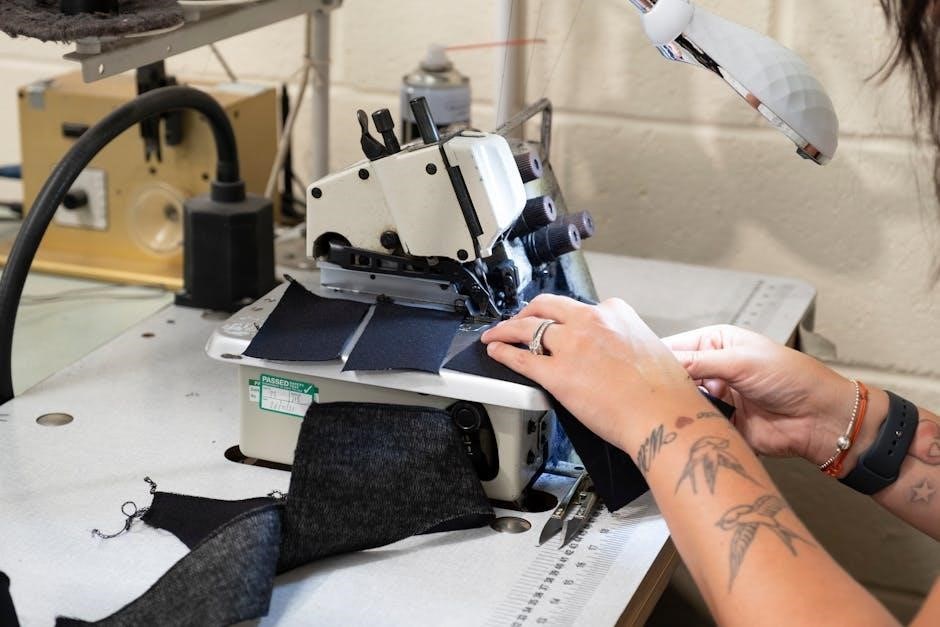
Expanding your knowledge beyond a basic hand sewing stitches PDF is easily achievable․ Numerous online tutorials and websites offer visual guides and detailed instructions for mastering various techniques․
Several books dedicated to hand sewing provide in-depth explanations and stitch libraries․ Websites like those focused on historical garb making (Ansteorra’s College of St․ Monica) offer specialized knowledge․ Don’t hesitate to explore these resources to refine your skills and discover new applications for your newfound hand sewing abilities!
Online Tutorials and Websites
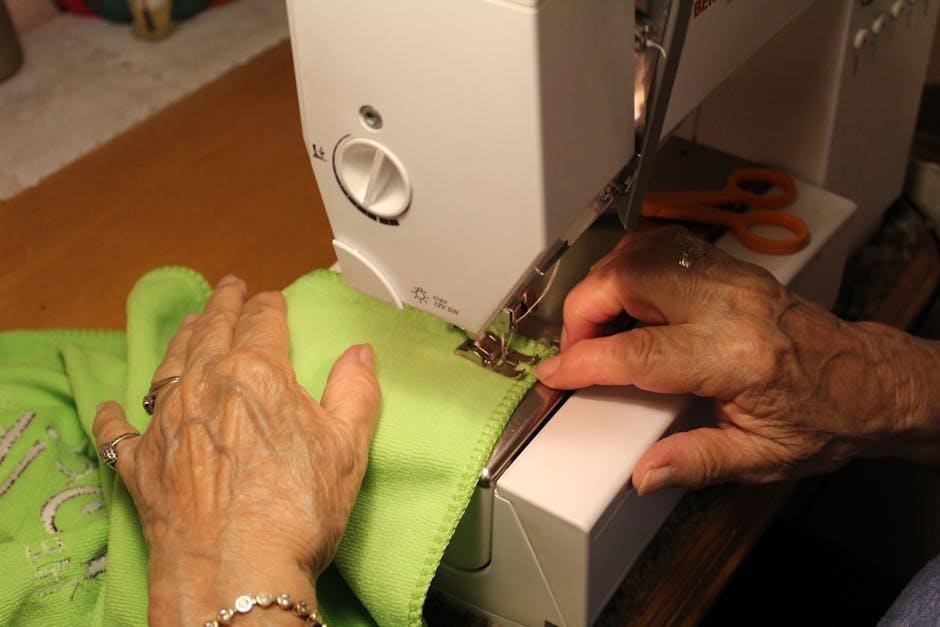
Numerous websites provide free resources to supplement your basic hand sewing stitches PDF․ Many platforms host video tutorials demonstrating each stitch step-by-step, making learning visually accessible․
Websites dedicated to historical costuming, like resources from the Society for Creative Anachronism, often include detailed hand sewing guides for period-accurate garment construction․ Explore general sewing blogs and YouTube channels for additional tips, tricks, and project ideas․ These online resources offer a wealth of knowledge at your fingertips!
Books on Hand Sewing
While a basic hand sewing stitches PDF is convenient, dedicated books offer in-depth knowledge․ Look for titles focusing on foundational techniques, stitch dictionaries, or guides tailored to specific projects like quilting or garment making․
Books often provide detailed illustrations and explanations beyond what’s typically found online․ Consider resources specializing in historical sewing for authentic period techniques․ Libraries and bookstores are excellent sources; explore reviews to find books matching your skill level and interests․ A well-chosen book complements digital resources beautifully!
Hand Sewing for Repairs
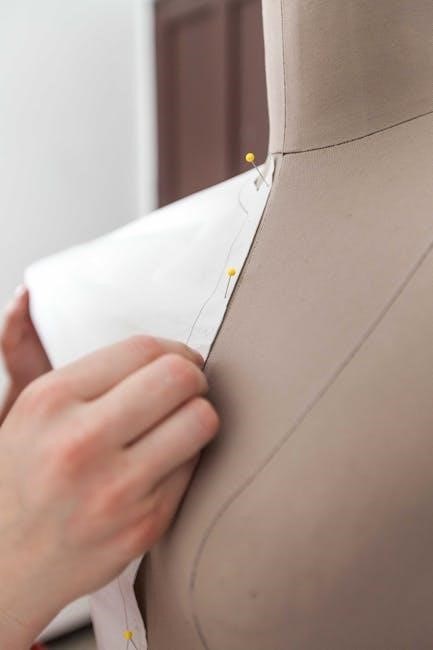
A basic hand sewing stitches PDF becomes invaluable for quick clothing repairs․ From reattaching buttons and mending seams to patching holes, hand sewing offers precision and control․ Mastering the running stitch, back stitch, and whip stitch is crucial for these tasks․
These stitches allow for discreet and durable fixes, extending the life of your garments․ Knowing a simple slip stitch enables invisible hemming after alterations․ A downloadable guide provides a readily accessible reference for these essential repair techniques, saving time and money!
Hand Sewing for Creative Projects
A basic hand sewing stitches PDF unlocks a world of creative possibilities beyond simple repairs․ Applique, embroidery, and quilting benefit immensely from hand-sewn details․ The blanket stitch, for example, provides a decorative edge finish, while the catch stitch is ideal for attaching linings․
Downloadable guides illustrate these techniques, empowering you to personalize clothing, create unique home décor, and craft handmade gifts․ Hand sewing allows for intricate work and artistic expression, offering a satisfying alternative to machine sewing for smaller, detailed projects․
Historical Context of Hand Sewing
Before the advent of sewing machines, hand sewing was the sole method for creating garments and textiles․ A basic hand sewing stitches PDF represents a continuation of this ancient craft, practiced for millennia across cultures․
Historical garments, like those recreated for garb making, relied entirely on stitches like the running stitch and back stitch for construction․ Understanding these techniques provides insight into the skills of past generations․ Resources, such as those for period clothing, emphasize the importance of mastering these foundational stitches for authentic reproduction․
Hand Sewing for Garb Making (Period Clothing)
Recreating historical garments, or “garb,” demands proficiency in traditional hand sewing techniques․ A basic hand sewing stitches PDF becomes an invaluable resource for those pursuing historical accuracy․
Period clothing often features details best achieved through hand sewing, like delicate seams and intricate embellishments․ Resources like those from the College of St․ Monica highlight the necessity of mastering stitches like the whip stitch and blanket stitch for authentic results․ Understanding fabric types and appropriate thread choices, detailed in a PDF guide, is also crucial․
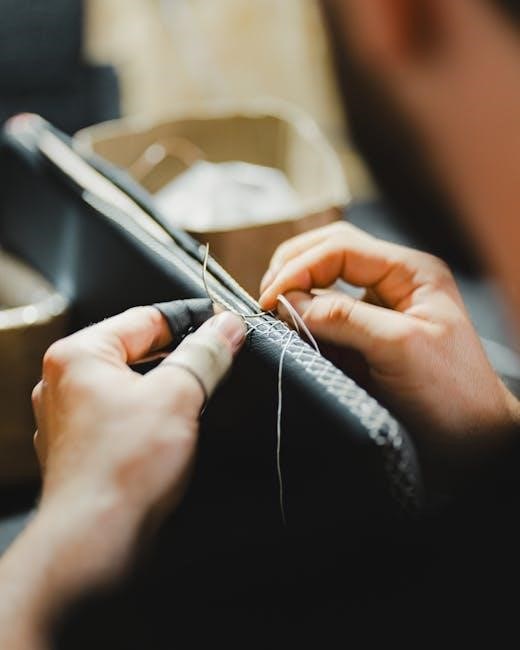
Understanding Fabric Types for Hand Sewing
A basic hand sewing stitches PDF often doesn’t delve deeply into fabric characteristics, yet this knowledge is vital for successful hand sewing․ Different fabrics require varied needle sizes and thread weights․
Delicate silks and linens necessitate fine needles and threads, while heavier materials like wool or canvas demand sturdier options․ Understanding weave – whether woven or knit – impacts stitch selection․ A PDF guide can offer a starting point, but experience teaches how fabric behaves under the needle․ Proper fabric consideration ensures durable and aesthetically pleasing results․
Choosing the Right Thread for Your Fabric
Complementing fabric selection, a basic hand sewing stitches PDF should emphasize thread choice․ Thread weight and material significantly impact stitch strength and appearance․ Cotton thread suits cotton fabrics, while polyester offers durability for synthetics․
Silk thread is ideal for delicate fabrics like silk or linen, providing a subtle sheen․ Consider thread color – matching for invisibility or contrasting for decorative effects․ A heavier fabric requires a thicker thread, preventing breakage․ Selecting the appropriate thread ensures your hand stitches are both functional and visually harmonious․
Downloading a Basic Hand Sewing Stitches PDF Guide
Accessing a basic hand sewing stitches PDF simplifies learning and provides a portable reference․ Many online resources offer free downloadable guides, covering essential stitches like running, back, and whip stitches․
These PDFs often include step-by-step diagrams and clear instructions, perfect for visual learners․ Look for guides that detail knotting techniques and troubleshooting tips․ Downloading allows offline access, ideal for sewing on the go․ Ensure the PDF is from a reputable source to guarantee accuracy and quality․ Embrace the convenience of a digital guide!
The Art of Hand Sewing
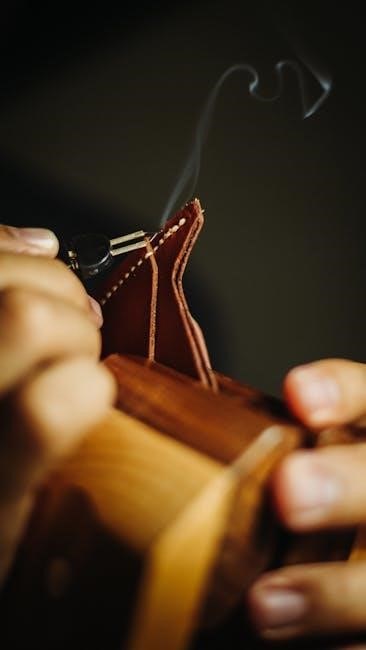
Hand sewing, supported by resources like a basic hand sewing stitches PDF, is a timeless skill offering both practicality and creative expression․ From quick repairs to intricate garment construction, mastering these stitches unlocks a world of possibilities․
While machine sewing offers speed, hand sewing provides control and a personal touch․ The downloadable guides empower beginners, while seasoned sewers appreciate a convenient reference․ Embrace the meditative rhythm and enduring value of this ancient craft – a truly rewarding art form!