
Alberta Dental Fee Guide PDF: A Comprehensive Overview (Updated February 17‚ 2026)
Recent updates‚ as of today‚ February 17‚ 2026‚ reveal ongoing concerns regarding Alberta’s dental costs․
The province seeks fee reductions‚
while dentists and the government negotiate a fair and accessible guide for all Albertans․
What is the Alberta Dental Fee Guide?
The Alberta Dental Fee Guide is a crucial document outlining the recommended fee schedule for various dental procedures performed throughout the province․ Historically‚ it served as a reference point for dentists and insurance providers‚ aiming to establish a standardized and transparent pricing structure․ However‚ its role has become increasingly contentious in recent years‚ particularly following significant revisions and government intervention․
Prior to 2018‚ the guide was collaboratively developed by the Alberta Dental Association and College (ADAC)․ It detailed a comprehensive list of dental services‚ each assigned a specific fee code and corresponding cost․ This guide was widely used by insurance companies to determine reimbursement rates for dental claims‚ and many Albertans relied on it to understand the potential expenses associated with their dental care․
The guide’s purpose is to provide clarity and predictability in dental billing․ It aims to ensure that patients aren’t subjected to unexpectedly high costs and that dentists are fairly compensated for their services․ However‚ recent disputes and revisions have led to concerns about its effectiveness in achieving these goals‚ sparking debate about affordability and access to dental care in Alberta․
History of Dental Fee Regulation in Alberta
For many years‚ Alberta’s dental fees operated with a degree of self-regulation‚ primarily through the Alberta Dental Association and College (ADAC)․ The ADAC developed and maintained the fee guide‚ fostering a collaborative approach between dentists and insurance companies․ This system functioned relatively smoothly for a considerable period‚ providing a predictable framework for pricing dental services․
However‚ growing concerns about the rising cost of dental care in Alberta began to surface․ A provincial review in 2018 revealed that Albertans were paying significantly more for common dental procedures – approximately 44% higher – compared to residents of other provinces․ This disparity prompted government intervention and a re-evaluation of the existing fee regulation model․
The government’s initial response involved mandating a return to the bargaining table for the ADAC‚ seeking to negotiate a more affordable fee schedule․ This led to a revised fee guide in 2018‚ featuring an 8․5% reduction in fees․ Despite this adjustment‚ dissatisfaction persisted‚ with critics arguing that the reductions weren’t substantial enough to address the affordability crisis․ The history demonstrates a shift from self-regulation to increased government oversight․

Why Alberta Dental Fees are a Concern
Alberta’s dental fees have become a significant concern due to their consistently higher rates compared to other Canadian provinces․ The 2018 provincial review highlighted a staggering 44% difference in cost for common procedures‚ placing a substantial financial burden on Albertan families and individuals․
This affordability issue disproportionately affects those without comprehensive dental insurance‚ creating barriers to essential oral healthcare․ Delayed or forgone treatment can lead to more serious – and costly – health problems down the line․ The high fees also impact seniors on fixed incomes and low-income Albertans‚ exacerbating existing inequalities․
Furthermore‚ the rapid increase in dental costs in Alberta has outpaced inflation and wage growth‚ making it increasingly difficult for residents to maintain good oral health․ The lack of transparency in fee structures and the perceived lack of accountability have fueled public frustration and calls for greater government intervention․ This situation necessitates a closer examination of the factors driving up costs․
The 2018 Fee Guide Revision & 8․5% Reduction
In 2018‚ the Alberta Dental Association and College (ADAC) unveiled a revised fee guide‚ responding to growing public and governmental pressure regarding escalating dental costs․ This revision aimed to address affordability concerns by implementing an overall 8․5% reduction in fees compared to those in 2016․
However‚ this reduction wasn’t universally applied across all procedures․ While some services experienced more substantial cuts‚ others saw minimal changes․ The ADAC presented this as a compromise‚ balancing the need for affordability with the financial sustainability of dental practices․ Critics argued that the 8․5% reduction was insufficient to significantly lower costs for patients․
The revised guide was a direct result of a provincial review that exposed the significant price discrepancies between Alberta and other provinces․ Despite the reduction‚ concerns remained about the overall high cost of dental care in Alberta‚ prompting further calls for government intervention and renewed negotiations between the ADAC and the provincial government․
Government Intervention & Return to the Bargaining Table
Following dissatisfaction with the perceived inadequacy of the 2018 fee guide revision‚ Health Minister Sarah Hoffman took a firm stance‚ directly ordering Alberta dentists to return to the bargaining table․ This intervention signaled a heightened level of government involvement in controlling dental costs within the province․
Hoffman expressed disappointment that the revised guide didn’t go far enough to alleviate the financial burden on Albertan patients․ The government’s position was clear: further reductions were necessary to align Alberta’s dental fees with those of other Canadian provinces‚ where costs were demonstrably lower․
This directive to renegotiate effectively bypassed the ADAC’s initial proposals and placed direct pressure on the organization to reconsider its fee structure․ The government’s actions underscored its commitment to addressing the affordability crisis in dental care and its willingness to actively participate in finding a solution‚ even if it meant overriding the self-regulatory body’s initial recommendations․
Disappointment with the Current Fee Guide
Health Minister Sarah Hoffman publicly voiced significant disappointment with the newly implemented Alberta dental fee guide‚ stating it failed to adequately address the escalating costs faced by patients․ This dissatisfaction stemmed from a belief that the guide didn’t deliver sufficient reductions to make dental care more accessible and affordable for Albertans․
The core concern revolved around the persistent gap between Alberta’s dental fees and those in other provinces․ Despite the 8․5% reduction introduced in 2018‚ the government maintained that Albertans continued to pay substantially more for common dental procedures – approximately 44% higher‚ according to provincial reviews․
Hoffman’s public criticism signaled a clear expectation for further adjustments and a renewed commitment to lowering dental costs․ This disappointment wasn’t merely rhetorical; it directly led to the government’s intervention‚ compelling the Alberta Dental Association and College (ADAC) to return to the negotiating table and revisit the fee structure․
Comparison of Alberta Dental Fees to Other Provinces
A key driver behind the ongoing debate surrounding Alberta’s dental fee guide is the stark contrast in costs when compared to other Canadian provinces․ Reviews consistently demonstrate that Albertans face significantly higher expenses for common dental procedures‚ creating a financial burden for many residents․
Specifically‚ a provincial review conducted in 2018 revealed Albertans were paying approximately 44% more for dental services than individuals in other parts of Canada․ This substantial difference fueled public outcry and prompted government intervention aimed at addressing the affordability issue․
The disparity isn’t limited to specific procedures; it’s a widespread trend across the entire spectrum of dental care․ This elevated cost structure impacts everything from routine check-ups and cleanings to more complex treatments‚ making dental care less accessible for lower-income families and individuals․ The goal remains to align Alberta’s fees with the national average‚ ensuring equitable access to oral healthcare․
Key Findings of the Alberta Dental Fee Review
The comprehensive review of Alberta’s dental fees‚ completed in 2018‚ delivered several critical findings that underscored the need for reform․ The most prominent conclusion was the confirmation that Albertans were paying substantially more for dental services compared to residents of other Canadian provinces – approximately 44% higher for common procedures․
Furthermore‚ the review highlighted a concerning trend of rapidly escalating dental costs within Alberta․ Prices were not only higher but were also increasing at a faster rate than anywhere else in the country‚ exacerbating affordability challenges for patients․ This rapid increase was identified as unsustainable and detrimental to access to care․
The review also pointed to a lack of transparency in fee setting and a need for greater regulation to ensure fair pricing․ Ultimately‚ the findings served as the catalyst for government intervention and renewed negotiations with the Alberta Dental Association and College․
The Role of the Alberta Dental Association and College
The Alberta Dental Association and College (ADAC) plays a central‚ yet often contested‚ role in the province’s dental fee landscape․ Representing over 2‚600 dentists‚ the ADAC historically managed the fee guide‚ establishing recommended fee structures for various dental procedures․ However‚ this self-regulation came under scrutiny as costs continued to rise significantly above the national average․
In recent years‚ the ADAC has found itself directly in the crosshairs of government intervention‚ particularly from Health Minister Sarah Hoffman‚ who demanded a return to the bargaining table to address affordability concerns․ The organization initially unveiled a revised fee guide in 2018‚ proposing an 8․5% reduction‚ but this was deemed insufficient by the government․

Currently‚ the ADAC continues to participate in negotiations with the government‚ aiming to strike a balance between fair compensation for dentists and accessible dental care for Albertans․ Their position emphasizes the need to consider the costs of providing quality care․
Accessing the Alberta Dental Fee Guide PDF
Locating the official Alberta Dental Fee Guide PDF requires navigating the Alberta Dental Association and College (ADAC) website․ While direct links can change‚ generally‚ the guide is accessible through the “Resources” or “Members” sections of their online platform – albertadentalassociation․ca․ Patients may find it slightly less straightforward to locate than dentists․
The PDF document details the recommended fee schedule for a comprehensive range of dental services‚ categorized by specific procedure codes․ It’s crucial to note that these are recommended fees‚ and individual dentists retain the autonomy to set their own prices‚ potentially exceeding the guide’s suggestions․
Furthermore‚ older versions of the guide are often archived on the ADAC website‚ allowing for historical comparisons․ However‚ for the most current fee information – as of February 17‚ 2026 – accessing the latest PDF is essential for understanding potential dental costs․
Understanding the Fee Codes within the Guide
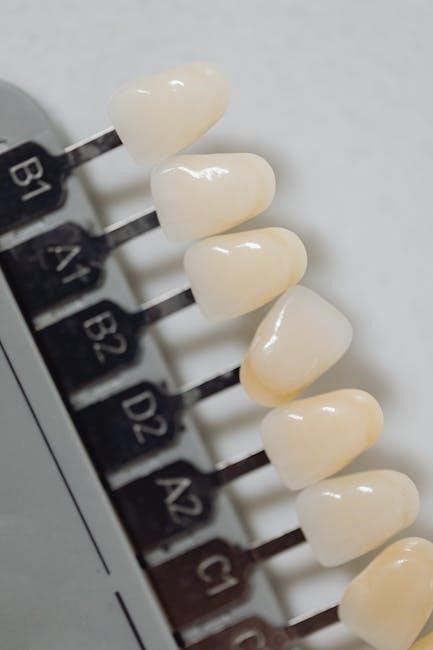
The Alberta Dental Fee Guide PDF utilizes a standardized coding system to categorize each dental procedure‚ ensuring clarity and consistency in billing practices․ These codes‚ largely based on the Canadian Dental Association (CDA) nomenclature‚ represent specific services – from routine check-ups and cleanings to complex surgical interventions․
Each code corresponds to a recommended fee amount‚ allowing patients and insurers to accurately assess the cost of treatment․ Understanding these codes empowers individuals to review their dental invoices with greater confidence and identify any discrepancies․ Common codes cover preventative care‚ restorative work (fillings‚ crowns)‚ endodontics (root canals)‚ and prosthodontics (dentures)․
The guide provides detailed descriptions alongside each code‚ clarifying the scope of the included service․ However‚ variations in treatment complexity or patient-specific needs can sometimes justify adjustments to the base fee‚ as determined by the individual dentist․
Impact of the Fee Guide on Patients’ Costs
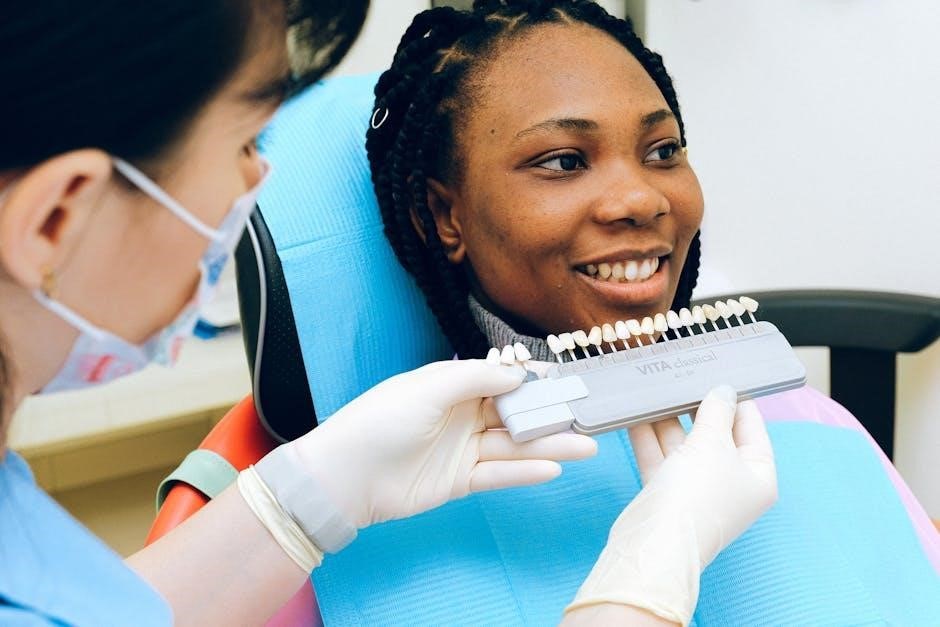
The Alberta Dental Fee Guide directly influences the out-of-pocket expenses faced by Albertans seeking dental care․ Historically‚ Alberta has experienced significantly higher dental costs compared to other provinces‚ a concern repeatedly highlighted in recent reviews․ The implementation – and revisions – of the fee guide aim to address this affordability gap‚ though opinions on its effectiveness vary․
While the guide establishes recommended fee levels‚ dentists retain the autonomy to set their own prices‚ potentially exceeding the suggested amounts․ This can lead to considerable cost variations across different practices․ The 2018 revision‚ featuring an 8․5% reduction‚ was intended to lower costs‚ but many argue it didn’t go far enough․
Patients with dental insurance typically benefit from the guide‚ as insurance coverage is often based on the recommended fee schedule․ However‚ those without insurance may still encounter substantial bills‚ emphasizing the need for affordable care options and transparent pricing․
Negotiations Between the Government and Dentists
The relationship between the Alberta government and the Alberta Dental Association and College (ADAC) has been marked by periods of contention and collaboration regarding dental fees․ Recent years have witnessed several rounds of negotiations‚ often spurred by concerns over the high cost of dental care for Albertans․
Health Minister Sarah Hoffman has repeatedly urged the ADAC to return to the bargaining table‚ seeking further reductions in fees․ The government’s position stems from a review that revealed Albertans pay significantly more – around 44% – for common dental procedures compared to the national average․
Initially‚ negotiations were strained‚ with the ADAC resisting government intervention in fee setting․ However‚ a revised fee guide was eventually unveiled in 2018‚ though deemed insufficient by the Health Minister․ As of February 17‚ 2026‚ ongoing dialogue continues‚ aiming for a mutually acceptable solution that balances affordability for patients and fair compensation for dentists․
Recent Developments & Updates (as of February 17‚ 2026)
As of today‚ February 17‚ 2026‚ the situation surrounding Alberta’s dental fee guide remains fluid․ While a comprehensive overhaul hasn’t materialized‚ discussions between the government and the Alberta Dental Association and College (ADAC) are reportedly ongoing․ The initial disappointment expressed by Health Minister Sarah Hoffman regarding the current guide’s impact on patient costs continues to shape the dialogue․
Recent reports indicate a focus on addressing the significant price discrepancies identified in the provincial fee review․ Albertans still face higher dental costs – approximately 44% more – for common procedures compared to other provinces; The pipeline debate at the western premiers meeting hasn’t overshadowed the dental fee concerns․
The government maintains pressure on the ADAC to revisit the fee structure‚ aiming for increased affordability․ Updates regarding any finalized agreements or revised fee schedules are eagerly anticipated by both patients and dental professionals across Alberta․
Criticisms and Concerns Regarding the Fee Guide
Significant criticism centers on the perceived inadequacy of the current Alberta Dental Fee Guide in addressing the province’s exceptionally high dental costs․ Many Albertans‚ like Ambrose Blum‚ have long suspected – and the 2018 review confirmed – that prices are substantially higher and escalating faster than elsewhere in Canada․
A primary concern revolves around the 8․5% reduction implemented in 2018‚ deemed insufficient by both the Health Minister and patient advocates․ Critics argue this adjustment didn’t go far enough to alleviate the financial burden on individuals seeking dental care․ The initial reintroduction of a fee guide itself was a response to years of unregulated increases․
Further concerns exist regarding the underlying reasons for the high fees‚ with some questioning the historical context of fee regulation in Alberta․ The ADAC has faced scrutiny‚ being urged to return to the bargaining table and prioritize affordability for all residents․ Transparency in fee setting remains a key demand․
Future Outlook for Dental Fees in Alberta
The future of dental fees in Alberta remains uncertain‚ heavily reliant on ongoing negotiations between the government and the Alberta Dental Association and College (ADAC)․ As of February 17‚ 2026‚ a collaborative approach is crucial to establish a sustainable and equitable fee structure․
Continued government intervention appears likely‚ with a clear expectation for greater affordability for Albertans․ Further reviews of the fee guide are anticipated‚ potentially leading to more substantial adjustments than the 8․5% reduction seen in 2018․ The success of these efforts hinges on the willingness of both parties to compromise․
Long-term stability may require a fundamental shift in how dental fees are determined‚ potentially moving towards a more transparent and regulated system․ Addressing the historical factors contributing to high costs is also essential․ Ultimately‚ the goal is to balance access to quality dental care with financial feasibility for patients across the province․
Resources for Finding Affordable Dental Care in Alberta
Accessing affordable dental care in Alberta requires exploring various resources‚ particularly given concerns surrounding higher-than-average fees․ While the Alberta Dental Fee Guide PDF provides a baseline for expected costs‚ several avenues can help mitigate expenses․
Community dental clinics often offer reduced rates for eligible individuals and families․ Alberta Health Services provides information on these clinics‚ alongside details about financial assistance programs for seniors and low-income Albertans․ Dental schools‚ such as the University of Alberta‚ may also offer lower-cost treatment provided by students under supervision․
Furthermore‚ exploring private dental insurance plans and discount dental programs can significantly lower out-of-pocket costs․ Comparing fees between different dentists is also advisable‚ utilizing the fee guide as a reference point․ Websites and organizations dedicated to dental health often compile lists of affordable options within the province‚ empowering patients to make informed decisions․