
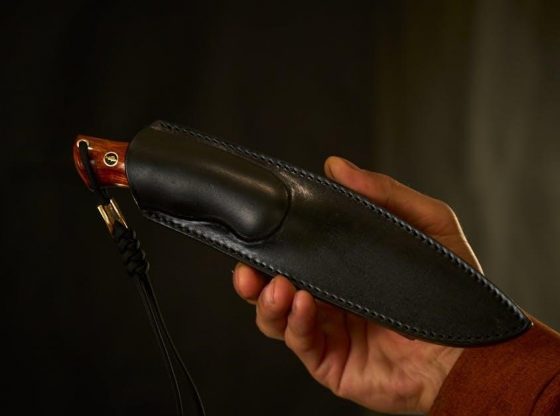
Article Plan: Printable Knife Sheath Patterns PDF
This guide details crafting sheaths using downloadable templates, exploring resources for both free and paid PDF patterns․ It covers
various styles and techniques, from basic pouch designs to advanced retention methods, ensuring a secure fit for your blade․
Knife sheaths are essential protective coverings, safeguarding blades and ensuring user safety․ Historically crafted from natural materials like wood and leather, modern sheaths utilize synthetics offering durability and diverse aesthetics․ A well-constructed sheath isn’t merely storage; it’s an integral part of the knife, enhancing carry comfort and preventing accidental injury․
The sheath’s design directly impacts accessibility and security․ From simple pouch styles to complex, multi-position carry systems, the options are vast․ Printable knife sheath patterns democratize sheath making, allowing enthusiasts of all skill levels to create custom holsters․ These patterns, often in PDF format, provide precise templates for cutting and assembling sheaths, eliminating the need for extensive design work․ They are particularly useful for beginners, offering a structured approach to leatherworking or synthetic material fabrication․
Choosing the right pattern is crucial, considering the knife’s size, shape, and intended use․
Why Use Printable Patterns?
Printable knife sheath patterns offer significant advantages over freehand design․ They provide accuracy, ensuring a snug and secure fit for your knife, minimizing movement and maximizing safety․ These PDF templates eliminate guesswork, particularly beneficial for beginners lacking experience in pattern drafting․ Consistency is another key benefit; patterns allow for repeatable results, crucial for crafting multiple sheaths or replacements․
Cost-effectiveness is also a major draw․ While custom sheath makers can be expensive, printable patterns represent a fraction of that cost․ They unlock the ability to personalize your knife carry, tailoring the sheath to your specific needs and aesthetic preferences․ Furthermore, patterns often include detailed instructions, guiding you through each step of the construction process․
Digital format allows for easy scaling and modification, adapting to different knife sizes or desired features․
Materials Needed for Sheath Making
Creating a knife sheath requires a selection of essential materials; Primarily, you’ll need leather – the type varying based on preference (discussed later)․ Beyond the leather itself, consider backing material like garment leather or suede for added structure and comfort․ Strong thread, specifically designed for leatherwork, is crucial for durable stitching; waxed linen or nylon thread are excellent choices․
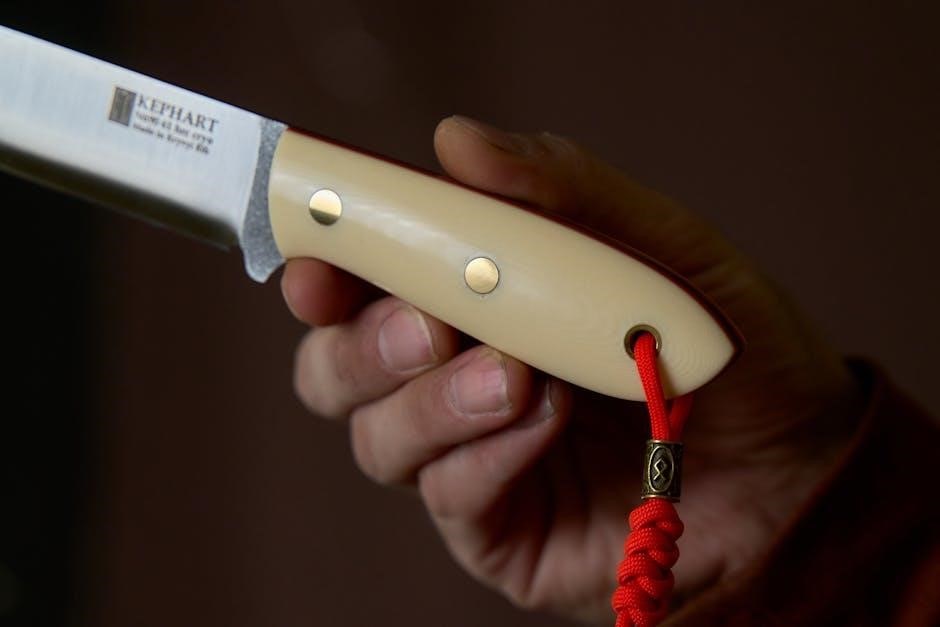
Essential hardware includes rivets, snaps, or buckles for closures and belt attachment․ Contact cement or leather glue will bond layers together․ A beveler, edge slicker, and finishing products like dyes, oils, or sealants are needed for a professional finish․ Don’t forget pattern material – cardstock or heavy paper for transferring the PDF pattern onto the leather․
Finally, a cutting surface and protective gear (see safety section) complete the material list․
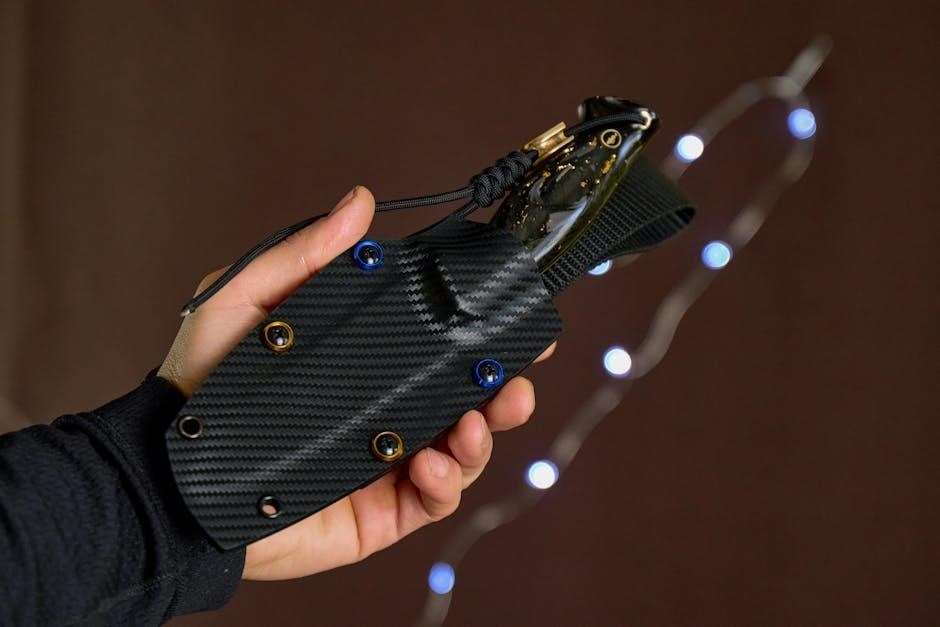
Leather Types for Knife Sheaths
Selecting the right leather is paramount for a durable and aesthetically pleasing knife sheath․ Vegetable-tanned leather is a popular choice, known for its firmness, ability to hold shape, and suitability for tooling and molding․ It accepts dyes beautifully, allowing for customization․ Chrome-tanned leather offers greater flexibility and water resistance, making it suitable for sheaths intended for wetter environments․
Latigo leather, a combination tanned leather, provides a balance of strength and flexibility․ For budget-friendly options, consider oil-tanned leather, though it may not hold intricate tooling as well․ Leather weight, measured in ounces, also matters; 8-9oz leather is common for robust sheaths, while lighter weights suit smaller knives․
Ultimately, the best leather depends on the intended use and desired aesthetic of your PDF-patterned sheath․
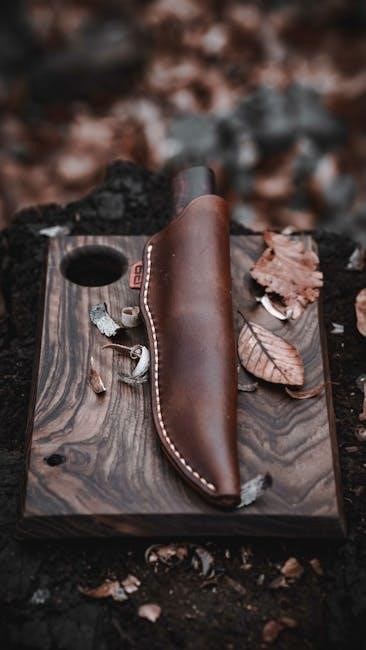
Tools Required for Sheath Construction
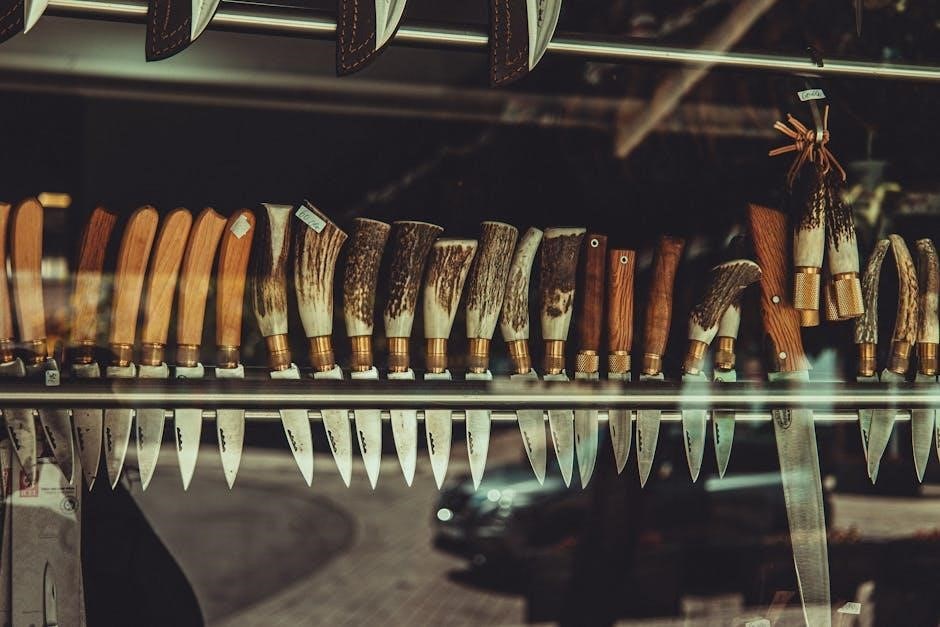
Constructing a knife sheath, even with a PDF pattern, requires specific tools․ A sharp utility knife or leather-cutting knife is essential for precise cuts․ A steel ruler and cutting mat protect your work surface and ensure straight lines․ An awl creates stitching holes, while a stitching groover prepares the leather for a clean, recessed stitch․
Needles and thread – waxed linen or nylon – are crucial for durable seams․ Edge bevelers and slickers refine the leather edges, providing a professional finish․ A mallet aids in shaping and setting tooling․ Contact cement temporarily bonds leather pieces before stitching․
Optional, but helpful, tools include a rotary punch for consistent hole patterns and a leather skiving knife for thinning edges․
Understanding Knife Sheath Anatomy
Knife sheath anatomy is crucial for successful construction, even when using printable PDF patterns․ The “body” forms the primary enclosure, while the “mouth” allows knife insertion and removal․ A “welt” – a strip of leather – often lines the sheath, protecting the stitching from the blade’s edge․
The “guard” reinforces the sheath opening, preventing tearing․ “Stitching lines” define the seams holding the sheath together․ A “belt loop” or other attachment system secures the sheath to a belt or other carry method․
Understanding how these components interact is vital․ Patterns will illustrate these parts, but recognizing their function ensures a well-fitted and durable sheath․ Proper alignment and accurate cutting are key to a functional design․
Basic Sheath Styles
Printable knife sheath patterns PDF offer a range of styles, but three are fundamental: pouch, folding, and belt sheaths․ Pouch sheaths are simple, enclosing the blade fully, ideal for fixed-blade knives․ They’re often secured with a strap or snap․
Folding sheaths accommodate folding knives, typically featuring a loop to slide over the handle․ These are compact and convenient for everyday carry․ Belt sheaths, designed for fixed blades, attach directly to a belt via a loop or clip, providing secure and accessible carry;
Beginners often start with pouch sheaths due to their simplicity․ Mastering these basic styles provides a foundation for more complex designs․ Each style requires specific pattern adjustments for a proper fit․
Pouch Sheath
Pouch sheaths, utilizing printable knife sheath patterns PDF, are a classic and secure method for carrying fixed-blade knives․ These sheaths fully enclose the blade, offering excellent protection․ Construction typically involves cutting leather according to the pattern, then stitching the sides together, leaving an opening for the knife․
A retention strap, often secured with a snap or Chicago screw, keeps the knife firmly in place․ The pattern dictates the precise fit, ensuring a snug hold․ Leather thickness impacts durability; heavier leather is preferred for larger knives․
Simple designs are ideal for beginners, while more elaborate patterns can incorporate decorative tooling․ Proper pattern alignment is crucial for a functional and aesthetically pleasing result․
Folding Sheath
Folding sheaths, created with printable knife sheath patterns PDF, are designed for folding knives, offering a streamlined carry solution․ Unlike fixed-blade sheaths, these often feature a partially open design, allowing for quick access to the blade․ Patterns typically include sections for the handle and a portion to secure the blade when closed․
Construction involves carefully shaping the leather around the knife’s contours․ Retention is achieved through friction, a snap closure, or a combination of both․ The pattern’s accuracy is vital for a secure fit, preventing accidental deployment․
These sheaths are often lighter and more compact than pouch sheaths, making them suitable for everyday carry․ Decorative elements can be added for personalization․
Belt Sheath
Belt sheaths, utilizing printable knife sheath patterns PDF, are a classic and secure method for carrying knives․ These patterns typically incorporate a loop or slot designed to slide onto a belt, providing stable and hands-free transport․ They are ideal for outdoor activities, bushcraft, or everyday use where accessibility and security are paramount․
Construction involves creating a robust leather structure capable of withstanding regular wear and tear․ Patterns often include reinforced stitching and a welt to protect the leather from the blade’s edge․ Retention can be achieved through friction, a thumb break, or a snap closure․
Variations include vertical and horizontal carry options, catering to personal preference and belt configuration․
Finding Printable Knife Sheath Patterns (PDF)
Locating printable knife sheath patterns (PDF) requires exploring various online resources․ A wealth of options exists, ranging from dedicated leatherworking websites to online marketplaces and forums․ Searching specifically for “knife sheath pattern PDF” yields numerous results, catering to diverse knife shapes and sizes․
Websites specializing in leathercraft often offer both free and premium patterns․ Online communities, like blade forums, frequently share user-created designs․ Marketplaces such as Etsy provide access to a wide selection of professionally designed PDF patterns․
When selecting a pattern, consider the knife’s dimensions, desired sheath style, and your skill level․ Ensure the PDF is clearly illustrated and includes detailed instructions․
Free Printable Patterns – Sources
Accessing free printable knife sheath patterns (PDF) is a great starting point for beginners․ Several online platforms generously offer designs without cost․ Websites like Pinterest host collections of user-shared patterns, though quality can vary․ Dedicated leatherworking blogs and forums often feature free downloads as introductory resources․
Instructables․com provides step-by-step guides alongside downloadable PDF patterns for various sheath styles․ Searching on sites like Google Images with specific keywords (e․g․, “free knife sheath pattern PDF”) can uncover hidden gems․ Remember to always verify the pattern’s completeness and clarity before starting your project․
While free patterns are accessible, they may lack the detail found in paid options․
Paid Printable Pattern Resources
Investing in paid printable knife sheath patterns (PDF) often yields higher quality and more detailed instructions․ Etsy is a prominent marketplace featuring numerous independent designers offering a wide array of sheath patterns, catering to diverse knife shapes and styles․ These patterns frequently include multiple sizes and customization options․
Websites specializing in leathercraft supplies, such as Weaver Leather Supply and Tandy Leather, also sell downloadable PDF patterns․ These resources typically provide precise measurements, detailed diagrams, and sometimes even video tutorials․
Paid patterns generally offer greater accuracy, professional design, and dedicated customer support․ They are ideal for those seeking complex designs or a more refined finished product․
Pattern Adjustment and Customization
Downloaded printable knife sheath patterns (PDF) often serve as excellent starting points, but rarely fit a knife perfectly without adjustment․ It’s crucial to test the pattern with your specific knife before cutting leather․ Cardboard mock-ups are invaluable for verifying fit and making necessary alterations․
Common adjustments include lengthening or widening the sheath body to accommodate blade length and thickness․ You might also need to modify the welt to ensure a snug fit․ Consider adding extra material for a specific retention method, like a thumb break or snap closure․
Don’t hesitate to redraw sections of the pattern to achieve the desired shape and functionality․ Customization allows for a truly personalized and secure knife sheath․
Step-by-Step Sheath Construction Guide
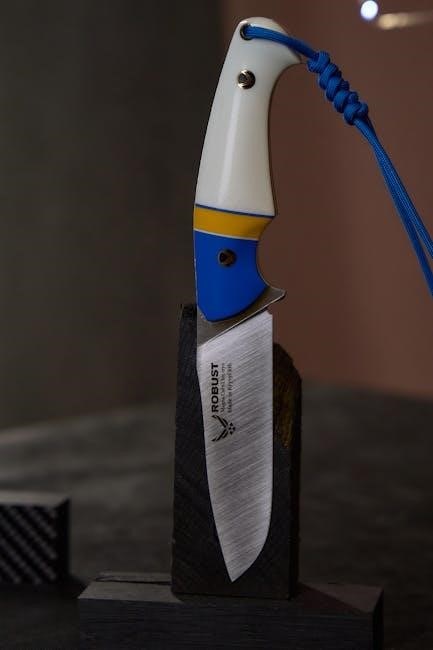
Using your chosen printable knife sheath pattern (PDF), begin by tracing the pattern pieces onto your selected leather․ Accurate cutting is paramount; utilize a sharp knife and a steel ruler for clean lines․ Next, carefully skive the leather where necessary, reducing thickness for smoother seams․
Assemble the sheath components, typically starting with the welt․ Wet-mold the leather around the knife to ensure a precise fit․ Stitch the pieces together using a saddle stitch – a strong and durable method․ Reinforce stress points for longevity․
Finally, finish the edges by beveling, burnishing, and applying a protective finish․ This enhances both aesthetics and durability, completing your custom sheath․
Leather Cutting Techniques
Precise leather cutting is crucial when working with printable knife sheath patterns (PDF)․ Begin with a sharp cutting tool – a utility knife with replaceable blades is ideal․ Always use a steel ruler as a guide to ensure straight, accurate cuts․ A rotary cutter can be beneficial for curves․
When cutting, apply consistent pressure and multiple passes rather than attempting to cut through the leather in a single stroke․ This prevents tearing and ensures a clean edge․ Remember to account for seam allowances as indicated on your pattern․
Skiving, or thinning the leather, is often necessary for smoother seams and a better fit․ Utilize a skiving knife or machine to carefully reduce the leather’s thickness where required․
Stitching and Reinforcement
Secure stitching is paramount for a durable knife sheath constructed from printable patterns (PDF)․ Saddle stitching, using two needles and waxed thread, is a traditional and robust method․ Ensure consistent stitch length and tension for a professional finish․
Before stitching, punch holes using a stitching awl or a pricking iron․ This creates clean, evenly spaced holes, simplifying the stitching process․ Consider using a stitching pony to hold the leather securely․
Reinforcement is vital in high-stress areas, such as the welt or around the mouth of the sheath․ Adding extra layers of leather or rivets enhances durability․ Chicago screws can also provide robust reinforcement․
Finishing and Edge Treatment
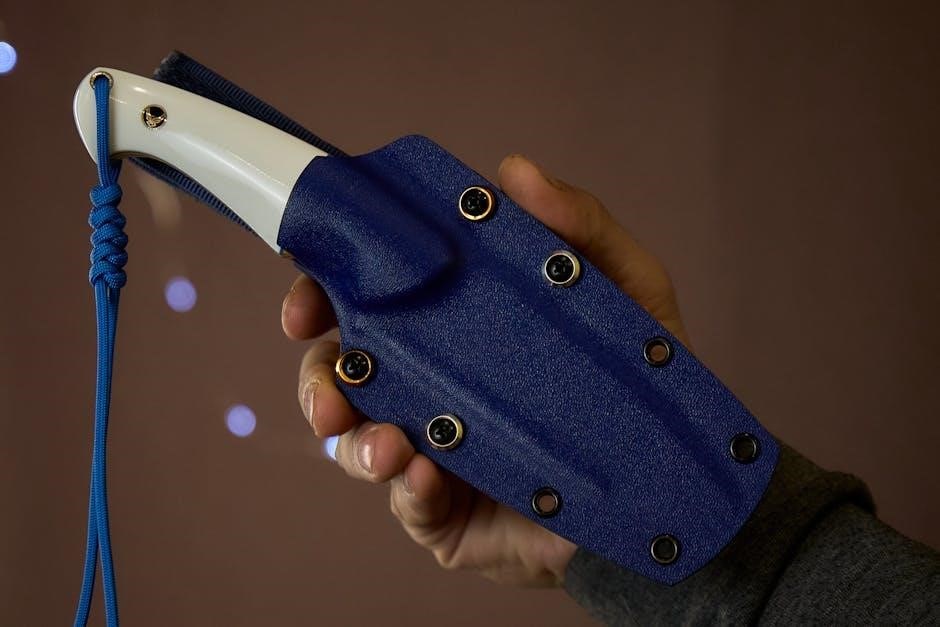
Finishing elevates a knife sheath made from printable patterns (PDF) from functional to refined․ Edge bevelling, using a beveler tool, creates a smooth, professional appearance and prevents fraying․ Sanding the edges progressively with finer grits ensures a polished finish․
Edge finishing options include burnishing, using a wooden slick and gum tragacanth, to create a hardened, glossy edge․ Dyeing the edges to match or contrast with the leather adds visual appeal․ Applying a leather conditioner nourishes the leather and protects it from the elements․
A final coat of sealant, like beeswax or Resolene, provides water resistance and further enhances the sheath’s longevity․ Careful attention to these details results in a high-quality, durable, and aesthetically pleasing sheath․
Retention Methods for Knife Sheaths
Secure knife retention is crucial for any sheath crafted from printable patterns (PDF)․ Friction fit relies on precise leather thickness and molding to hold the blade snugly․ Thumb breaks, strategically placed cutouts, allow for a quick and easy draw․ These are particularly useful for frequently accessed knives․
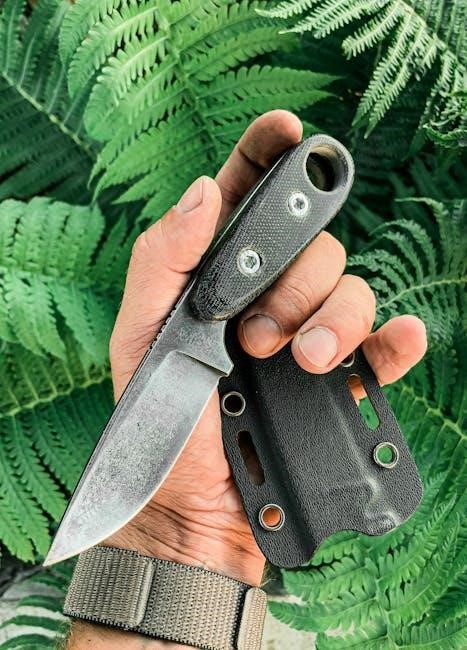
Snap closures offer a more positive retention method, utilizing a stud and receiver to secure the knife․ Adjustable straps or loops provide customizable retention, accommodating different knife handles․ More advanced methods include incorporating magnets or kydex inserts for enhanced security․
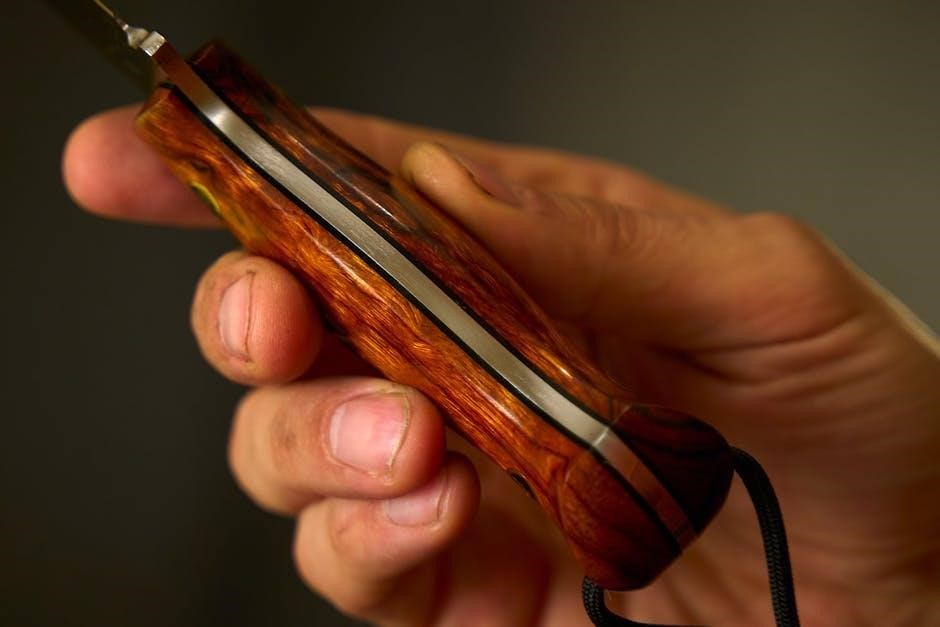
The chosen method should align with the intended use of the knife and the user’s preference, balancing security with accessibility․ Proper implementation ensures the knife remains safely sheathed during transport and use․
Friction Fit
Friction fit retention, achievable with carefully utilized printable knife sheath patterns (PDF), depends on a precise match between the knife blade and the molded leather․ The sheath’s interior must be formed tightly around the knife, creating enough resistance to hold it securely during normal activity․
Leather thickness is paramount; too thin, and the fit will be loose, too thick, and drawing becomes difficult․ Wet-molding the leather around the blade during construction is essential for achieving the necessary compression․ The quality of the leather also impacts friction – denser leathers generally provide a better grip․
This method is simple and effective for everyday carry knives, offering a balance between security and quick access․ However, it may not be suitable for rigorous activities where the knife could be dislodged․
Thumb Breaks
Thumb breaks, easily incorporated when utilizing printable knife sheath patterns (PDF), are strategically placed cutouts designed to facilitate a fast and secure draw․ These notches allow the user to gain a firm grip on the knife handle with their thumb, pulling it free from the sheath with minimal effort․
Pattern placement is crucial; the break should align perfectly with the natural grip position․ Different shapes and sizes cater to varying hand sizes and knife handle designs․ A well-executed thumb break significantly enhances draw speed and control, particularly in situations demanding rapid access․
Consider the leather thickness when creating the break – too thin, and it may tear; too thick, and it will be difficult to use effectively; Reinforcement stitching around the cutout is recommended for durability․

Snap Closures
Snap closures offer a secure and adjustable retention method when working with printable knife sheath patterns (PDF)․ They provide an extra layer of safety, preventing accidental dislodgement of the knife during movement․ Implementing snaps requires careful pattern modification to accommodate the snap’s cap and socket․
Positioning is key; typically, the snap is placed on the sheath flap, aligning with a corresponding stud on the knife handle or sheath body․ Ensure the snap doesn’t interfere with the draw or create unnecessary friction․ Different snap sizes and finishes are available, allowing for customization․
Proper installation involves creating precise holes in the leather and securely attaching the snap components with a setting tool․ Reinforcing the leather around the snap is vital for longevity․
Advanced Sheath Techniques
Beyond basic construction, advanced techniques elevate printable knife sheath patterns (PDF)․ These include complex molding for contoured handles, incorporating multiple layers of leather for increased durability, and decorative tooling like carving or stamping․ Wet-forming leather around a knife provides a custom fit, demanding skill and patience․
Creating welted sheaths, similar to welted shoe construction, adds strength and a refined aesthetic․ This involves stitching a strip of leather between the sheath halves․ Dyeing and finishing techniques, such as edge beveling and burnishing, enhance the sheath’s appearance and protect the leather․
Integrating specialized features like firesteel loops or pouches for sharpening stones expands functionality․ Mastering these skills transforms a functional item into a work of art․
Resources for Further Learning
Expanding your knowledge of printable knife sheath patterns (PDF) requires exploring diverse resources․ Online forums dedicated to leatherworking, like Leatherworker․net, offer invaluable advice and pattern sharing․ YouTube channels, such as Weaver Leather Supply and Corter Leather, provide detailed video tutorials on various techniques․
Books like “The Art of Knife Sheaths” by D․R․ Hunsaker offer comprehensive guidance․ Websites specializing in leathercraft supplies often host free patterns and instructional articles․ Consider joining local leatherworking guilds for hands-on workshops and mentorship․
Dedicated pattern designers, offering premium PDF downloads, can be found on platforms like Etsy․ Continuous learning and experimentation are key to mastering this craft․
Safety Precautions When Working with Knives and Tools
Prioritizing safety is paramount when crafting knife sheaths from printable patterns (PDF)․ Always utilize a sturdy cutting surface and employ sharp knives with controlled force, directing cuts away from your body․ Wear appropriate personal protective equipment, including cut-resistant gloves and eye protection․
When using tools like rotary cutters or stitching chisels, maintain focus and avoid distractions․ Securely clamp leather during cutting and stitching to prevent slippage․ Be mindful of your surroundings and ensure adequate lighting․
Properly store knives and tools when not in use, keeping them out of reach of children․ Regularly inspect tools for damage and maintain their sharpness․ A safe workspace fosters a successful crafting experience․