

Protein Diet Plan: A Comprehensive Guide (PDF Focus)
Embarking on a protein-focused dietary journey? This guide details crafting a personalized PDF plan‚ leveraging benefits like weight management and muscle support‚
with calorie options ranging from 1200 to 2000.
High-protein diets have surged in popularity‚ fueled by promises of weight loss‚ improved muscle mass‚ and enhanced satiety. But what exactly constitutes a high-protein approach? Essentially‚ it involves increasing your daily protein intake beyond the standard recommended dietary allowance. This isn’t a fleeting trend; it’s a nutritional strategy backed by growing scientific evidence.
Many individuals turn to these diets seeking a sustainable method for managing weight. Protein’s unique ability to promote fullness can naturally reduce overall calorie consumption. Furthermore‚ it plays a crucial role in preserving lean muscle tissue during weight loss‚ a key factor in maintaining a healthy metabolism. Creating a PDF plan allows for personalized tracking and adherence.
However‚ it’s vital to approach high-protein eating thoughtfully. A well-structured plan‚ potentially documented in a PDF format‚ considers individual needs‚ calorie levels‚ and potential health implications. This guide will explore the nuances of protein diets‚ offering a comprehensive framework for success.
What is a Protein Diet?
A protein diet prioritizes the consumption of protein-rich foods‚ typically exceeding the conventional recommendations. While specific macronutrient ratios vary‚ a common approach involves allocating 30-35% of daily calories to protein‚ significantly higher than the standard 10-15%. This isn’t about eliminating carbohydrates or fats entirely; it’s about shifting the emphasis towards protein as the cornerstone of your meals.
The core principle revolves around leveraging protein’s unique metabolic effects. It requires more energy to digest than fats or carbohydrates‚ boosting metabolism and promoting feelings of fullness. A well-designed PDF plan will outline specific protein targets based on individual factors like weight‚ activity level‚ and health goals.
Essentially‚ a protein diet isn’t a restrictive fad; it’s a strategic nutritional adjustment. It can be tailored to various calorie levels – 1200‚ 1500‚ 1800‚ or 2000 – and incorporated into a balanced eating pattern‚ ideally documented for easy reference in a PDF;
Benefits of a Protein-Rich Diet
Adopting a protein-rich diet‚ meticulously planned and documented in a PDF‚ offers a multitude of advantages. Primarily‚ it supports weight management by increasing satiety‚ reducing cravings‚ and boosting metabolic rate – making it easier to adhere to calorie-controlled plans like 1200‚ 1500‚ or 1800 calorie options.
Furthermore‚ adequate protein intake is crucial for preserving and building lean muscle mass‚ particularly important during weight loss. This helps maintain a healthy metabolism and physical function. A PDF plan can ensure sufficient protein intake (at least 80 grams daily) to support these processes.

Beyond weight‚ protein contributes to overall health‚ aiding in tissue repair‚ hormone production‚ and immune function. A well-structured PDF diet plan will emphasize diverse protein sources‚ maximizing nutritional benefits and long-term sustainability.
Understanding Protein Requirements
Determining your individual protein needs is vital for a successful PDF-based diet; factors like activity level and calorie goals influence optimal intake calculations.
Calculating Your Daily Protein Needs
Precisely determining your daily protein requirement is foundational when constructing a personalized protein diet PDF. A general recommendation suggests a minimum of 0.8 grams of protein per kilogram of body weight (or 0.36 grams per pound). However‚ this baseline adjusts significantly based on activity levels‚ fitness goals‚ and overall health status.
For individuals engaging in regular exercise‚ particularly strength training‚ protein needs increase to between 1.2 to 1.7 grams per kilogram (0.54 to 0.77 grams per pound). Those aiming for weight loss may benefit from a higher intake‚ potentially up to 1.8 to 2.2 grams per kilogram (0.82 to 1 gram per pound) to preserve lean muscle mass during caloric restriction.
To calculate your needs‚ convert your weight to kilograms (pounds divided by 2.2). Then‚ multiply by the appropriate protein factor based on your activity level and goals. Remember‚ a well-structured PDF plan should clearly outline this personalized calculation for the user.
Factors Influencing Protein Intake
Several key factors beyond basic weight and activity levels significantly influence optimal protein intake‚ crucial considerations for a comprehensive protein diet PDF. Age plays a role; older adults often require higher protein to combat age-related muscle loss. Pregnancy and breastfeeding also elevate protein needs to support fetal development and milk production.
Existing health conditions‚ particularly kidney or liver issues‚ necessitate careful protein management‚ potentially requiring lower intakes under medical supervision. The intensity and type of exercise matter – endurance athletes may have different needs than powerlifters.
Furthermore‚ individual metabolic rates and genetic predispositions can affect protein utilization. A detailed PDF should acknowledge these variables‚ advising users to consult healthcare professionals for personalized recommendations‚ ensuring a safe and effective dietary approach.
Protein Sources: Animal vs. Plant-Based
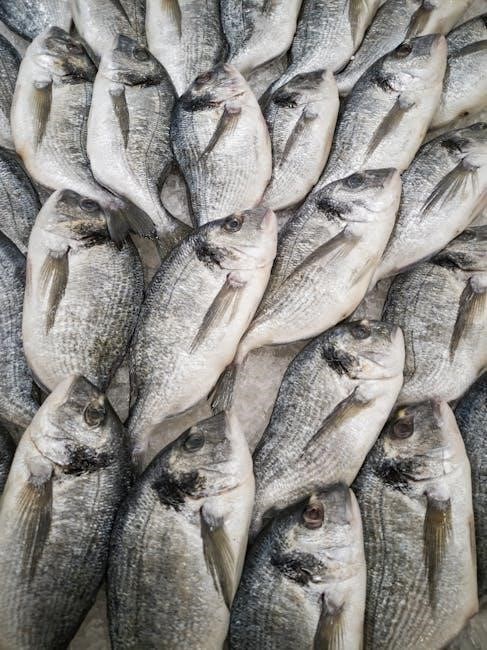
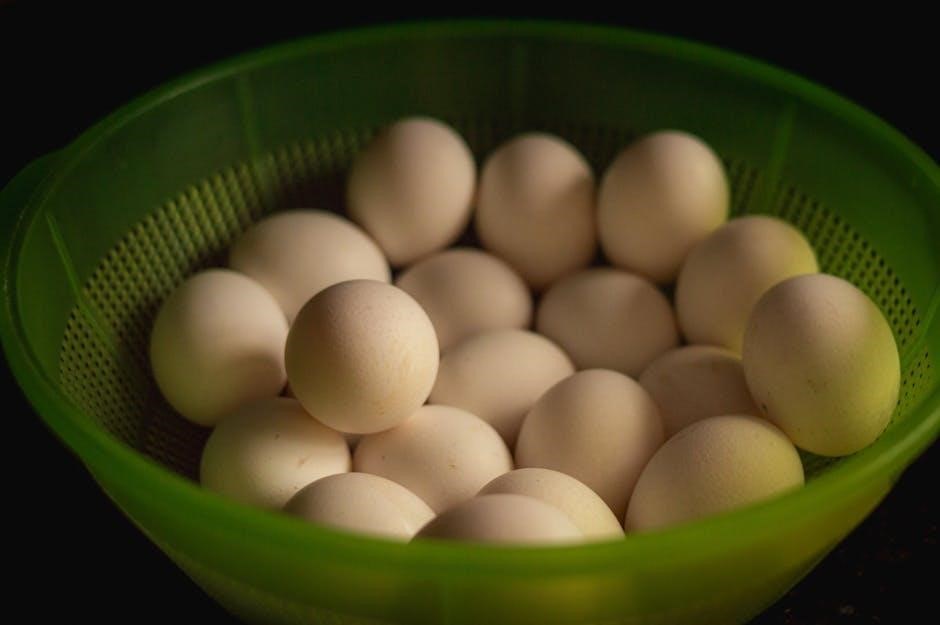
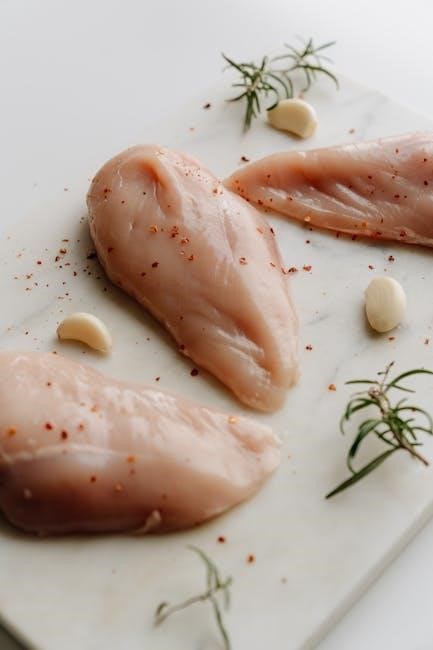
A well-structured protein diet PDF must comprehensively address protein sourcing‚ differentiating between animal and plant-based options. Animal sources – like lean meats‚ poultry‚ fish‚ eggs‚ and dairy – are complete proteins‚ containing all essential amino acids. They are efficiently absorbed and utilized by the body.
However‚ plant-based sources – including legumes‚ nuts‚ seeds‚ tofu‚ and whole grains – often lack one or more essential amino acids‚ requiring strategic combinations to ensure complete protein intake. For example‚ pairing rice and beans creates a complete protein profile.
The PDF should detail protein content per serving for various sources‚ offering diverse meal planning options catering to dietary preferences (vegetarian‚ vegan‚ etc.) and highlighting the importance of variety for optimal nutrient intake.
Sample 7-Day High-Protein Diet Plan (1500 Calories)
This PDF section provides a detailed 7-day meal plan at 1500 calories‚ delivering at least 80 grams of protein daily for satiety and metabolic health.
Day 1: Protein-Packed Breakfast & Lunch
Begin your high-protein journey with a substantial breakfast – consider a Greek yogurt parfait with berries and a scoop of protein powder‚ providing around 30 grams of protein. This sets the stage for sustained energy and reduced cravings.
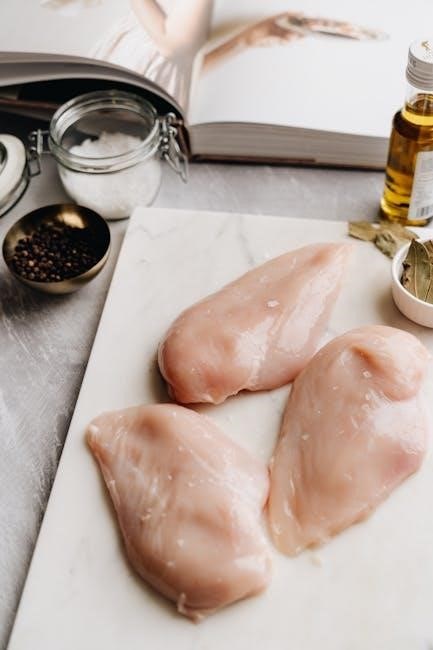
For lunch‚ a large salad featuring grilled chicken or fish (approximately 40-50 grams of protein) alongside a variety of colorful vegetables and a light vinaigrette is ideal. Adding a small portion of quinoa or brown rice contributes complex carbohydrates for lasting fullness.
Remember to hydrate throughout the day! This initial focus on lean protein sources and fiber-rich foods establishes a foundation for successful adherence to the PDF diet plan‚ promoting both weight management and overall well-being. Prioritize whole‚ unprocessed foods whenever possible.
Day 2: Lean Protein & Fiber Focus
Today’s emphasis centers on maximizing satiety through a combination of lean protein and high-fiber foods. Start with an egg white omelet filled with spinach and mushrooms – a fantastic source of protein and nutrients‚ delivering roughly 25 grams.
Lunch should feature a turkey breast wrap on a whole-wheat tortilla‚ packed with lettuce‚ tomato‚ and a smear of avocado. This provides approximately 35-40 grams of protein‚ coupled with beneficial fats and fiber.
Throughout the day‚ incorporate fiber-rich snacks like a small apple with almond butter or a handful of edamame. This strategy‚ detailed in your PDF plan‚ helps regulate blood sugar and keeps hunger at bay‚ supporting consistent energy levels and weight loss goals.
Day 3: Incorporating Healthy Fats
Today‚ we strategically integrate healthy fats into your high-protein diet‚ crucial for hormone production‚ nutrient absorption‚ and sustained energy. Begin with a breakfast of Greek yogurt topped with berries and a tablespoon of chia seeds – providing protein‚ fiber‚ and omega-3 fatty acids.
For lunch‚ enjoy a salmon salad with mixed greens‚ avocado‚ and a light vinaigrette. Salmon is rich in omega-3s‚ and avocado contributes monounsaturated fats‚ totaling around 30-35 grams of protein.
Your PDF plan emphasizes that healthy fats aren’t the enemy; they’re essential. Include a small handful of almonds as a snack. This balanced approach‚ supporting satiety and metabolic health‚ is key to long-term success.
Day 4: Variety of Protein Sources
Today’s focus within your protein diet PDF is diversifying protein intake. Relying solely on one source can lead to nutritional gaps and dietary boredom. Start with an egg and spinach omelet for breakfast‚ offering complete protein and essential vitamins.
Lunch features a lentil soup paired with a grilled chicken breast. Lentils provide plant-based protein and fiber‚ complementing the lean protein from chicken. This combination delivers approximately 40 grams of protein;
Dinner includes a turkey stir-fry with brown rice and plenty of vegetables. Varying protein sources ensures a broader spectrum of amino acids‚ supporting muscle health and overall well-being. Remember‚ a sustainable plan includes enjoyment and flexibility!
Day 5: Maintaining Satiety with Protein
Today’s emphasis in your protein diet PDF centers on maximizing fullness to curb cravings and support adherence. Begin with Greek yogurt topped with berries and a handful of almonds – a protein and healthy fat powerhouse.
For lunch‚ enjoy a large salad with grilled salmon and quinoa. Salmon provides omega-3 fatty acids alongside substantial protein‚ while quinoa adds fiber for sustained energy. Aim for at least 30 grams of protein in this meal.
Dinner features lean ground beef and black bean chili. The combination of protein and fiber from beans promotes prolonged satiety‚ reducing the likelihood of late-night snacking. Prioritize protein at each meal to stay on track!
Day 6: Balancing Macronutrients
Today within your protein diet PDF‚ we focus on harmonious macronutrient ratios. Breakfast consists of an egg and vegetable omelet with a slice of whole-wheat toast – a blend of protein‚ complex carbohydrates‚ and healthy fats.
Lunch features a turkey breast sandwich on whole-grain bread with avocado and a side salad. This provides lean protein‚ healthy fats‚ and fiber for sustained energy and fullness. Portion control is key to maintaining balance.
Dinner includes baked chicken breast with roasted sweet potatoes and steamed broccoli. Sweet potatoes offer complex carbohydrates‚ while broccoli delivers essential vitamins and fiber. Ensure adequate protein intake alongside these nutrient-rich sides.
Day 7: Review and Adjustments
Today marks the culmination of your 7-day high-protein diet PDF trial. Reflect on your experience: energy levels‚ satiety‚ and any challenges encountered. Review your food journal‚ noting meals where you felt particularly satisfied or struggled with adherence.
Assess your progress. Have you noticed any changes in body composition or overall well-being? Based on your observations‚ consider adjustments to your plan. Perhaps you need to increase calorie intake for sustained energy or modify protein sources for variety.
Remember‚ a successful protein diet is personalized. This PDF serves as a template; tailor it to your individual needs and preferences. Continue tracking your progress and making adjustments as needed for long-term success.
Modifications for Different Calorie Levels
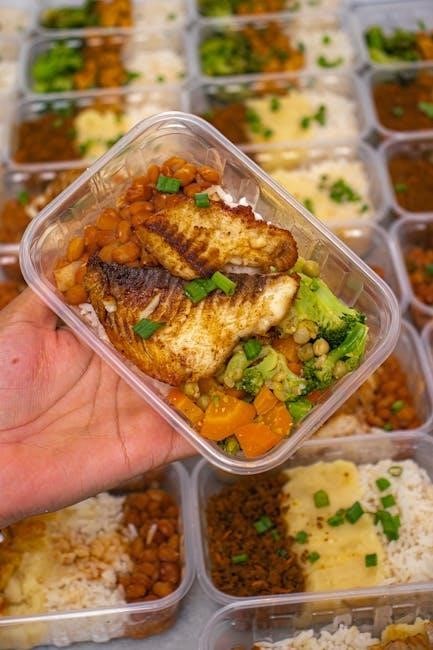
Adjusting your protein PDF plan to 1200‚ 1800‚ or 2000 calories involves portion control and strategic food choices to meet protein goals.
1200 Calorie High-Protein Plan
This 1200-calorie plan‚ ideal for weight loss‚ delivers approximately 95 grams of protein daily‚ prioritizing satiety and muscle preservation. Focus on lean protein sources like grilled chicken breast (3oz)‚ fish (salmon or tuna‚ 3oz)‚ egg whites‚ and Greek yogurt. Incorporate non-starchy vegetables – broccoli‚ spinach‚ and salad greens – for volume and fiber.
Sample meals include a breakfast of Greek yogurt with berries and a small handful of almonds‚ a lunch of a large salad with grilled chicken and a light vinaigrette‚ and a dinner of baked fish with steamed vegetables. Snacks should be protein-focused‚ such as a hard-boiled egg or a small protein shake. Carefully track portion sizes to stay within the calorie limit. Remember to drink plenty of water throughout the day to aid in fullness and hydration. This plan requires diligent tracking and may benefit from professional guidance.
1800 Calorie High-Protein Plan
The 1800-calorie high-protein plan offers greater flexibility while still prioritizing protein intake‚ typically around 120-130 grams per day. This allows for larger portion sizes and a wider variety of food choices. Include lean protein sources like chicken‚ turkey‚ fish‚ beans‚ and lentils in each meal. Add complex carbohydrates such as quinoa‚ brown rice‚ and sweet potatoes for sustained energy.
A sample day might begin with oatmeal with protein powder and fruit‚ followed by a turkey sandwich on whole-wheat bread with a side salad for lunch‚ and salmon with roasted vegetables for dinner. Healthy fats from avocados‚ nuts‚ and olive oil are also important. Snacks could include a handful of almonds or a protein bar. Monitoring macronutrient ratios and adjusting based on individual needs is crucial for optimal results and sustained adherence.
2000 Calorie High-Protein Plan
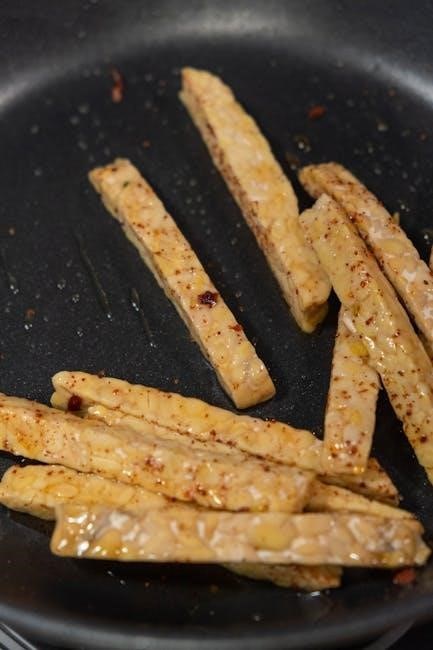
The 2000-calorie high-protein plan provides ample energy and nutrients‚ supporting muscle growth and recovery with approximately 150-160 grams of protein daily. This level is suitable for individuals with higher activity levels or larger body frames. Focus on incorporating a diverse range of protein sources‚ including lean meats‚ poultry‚ fish‚ eggs‚ dairy‚ and plant-based options like tofu and tempeh.
A typical day could feature a Greek yogurt breakfast with berries and granola‚ a chicken salad with whole-grain crackers for lunch‚ and steak with a large serving of vegetables for dinner. Don’t forget healthy fats from sources like avocados and olive oil; Strategic snack choices‚ such as a protein shake or a handful of nuts‚ can help maintain satiety and prevent overeating. Regular adjustments based on progress and individual needs are key.
Potential Health Considerations
Prior to starting‚ assess kidney and liver function; monitor inflammation markers like C-reactive protein‚ and consult a healthcare professional for personalized guidance.
Kidney Function and Protein Intake
Individuals with pre-existing kidney conditions must exercise caution when adopting a high-protein diet. The kidneys are responsible for filtering waste products from protein metabolism‚ and excessive intake can place an additional burden on these organs.
This increased workload may accelerate kidney damage in those with compromised renal function; It’s crucial to stay adequately hydrated to assist the kidneys in processing waste. Regular monitoring of kidney function through blood tests‚ such as measuring creatinine and glomerular filtration rate (GFR)‚ is highly recommended.
A healthcare professional can assess individual kidney health and determine a safe protein intake level. For individuals with healthy kidneys‚ moderate increases in protein intake are generally considered safe‚ but exceeding recommended levels without medical supervision is not advised. Prioritizing protein sources and overall hydration are key considerations.
Liver Health and Protein Metabolism
The liver plays a central role in protein metabolism‚ converting amino acids into usable energy and synthesizing essential proteins. A high-protein diet necessitates increased liver activity‚ and while generally well-tolerated‚ individuals with pre-existing liver conditions require careful consideration.
Impaired liver function can hinder the efficient processing of amino acids‚ potentially leading to ammonia buildup‚ a toxic byproduct. Monitoring liver enzyme levels‚ such as alanine aminotransferase (ALT) and aspartate aminotransferase (AST)‚ through blood tests is crucial to assess liver health.
Adequate hydration supports liver function‚ aiding in the removal of metabolic waste. Consulting a healthcare professional is vital to determine a safe protein intake level based on individual liver health. A balanced diet‚ avoiding excessive alcohol consumption‚ further supports optimal liver function alongside a protein-rich plan.
Inflammation Markers: C-Reactive Protein (CRP)
C-Reactive Protein (CRP)‚ a protein produced by the liver‚ serves as a key marker of inflammation within the body. While a high-protein diet isn’t inherently inflammatory‚ understanding CRP levels can provide valuable insights into the body’s overall response. Elevated CRP levels may indicate underlying inflammation‚ potentially influenced by factors beyond dietary protein intake.
A high-sensitivity CRP (hs-CRP) test offers a more precise measurement for assessing cardiovascular risk. Some studies suggest that certain dietary patterns‚ including those high in processed foods‚ can contribute to inflammation and elevated CRP.
Conversely‚ a well-planned protein diet‚ emphasizing whole foods and healthy fats‚ may help mitigate inflammation. Regular monitoring of CRP levels‚ alongside a comprehensive health assessment‚ allows for personalized adjustments to the diet and lifestyle‚ promoting optimal health and well-being.
Creating Your Own Protein Diet PDF
Design a tailored PDF with essential elements: meal plans‚ protein sources‚ calorie targets‚ and progress tracking. Utilize user-friendly tools for a personalized guide!
Tools for Designing a PDF
Numerous digital tools facilitate creating a professional-looking protein diet PDF. Microsoft Word offers basic formatting and PDF export capabilities‚ suitable for simpler plans. Canva provides user-friendly templates and design elements‚ ideal for visually appealing layouts‚ even without graphic design experience. For more advanced control‚ Adobe InDesign is a powerful option‚ though it requires a steeper learning curve.
Google Docs is a free‚ collaborative option‚ allowing easy sharing and editing. Consider PDFescape or Smallpdf for editing existing PDFs or adding interactive elements like fillable forms for tracking. When selecting a tool‚ prioritize ease of use‚ template availability‚ and the ability to incorporate images and tables effectively. Remember to choose a tool that aligns with your technical skills and desired level of customization for a polished‚ informative PDF.
Essential Elements of a Protein Diet PDF
A comprehensive protein diet PDF must include several key components for effectiveness. Firstly‚ a clear introduction outlining the diet’s goals and benefits is crucial; Secondly‚ detailed daily meal plans‚ specifying protein sources‚ portion sizes‚ and calorie counts‚ are essential – offering 1500‚ 1800‚ and 2000 calorie options enhances usability.
Furthermore‚ a section on calculating individual protein needs‚ considering factors like activity level and weight‚ is vital. Include a list of both animal and plant-based protein sources. Finally‚ incorporate a section addressing potential health considerations‚ like kidney function and inflammation markers (CRP). A progress tracking section and space for adjustments will empower users. Visual elements like recipe photos and clear formatting improve engagement and understanding.
Tracking Progress and Making Adjustments
Consistent monitoring is paramount for success with any protein diet. Your PDF should incorporate dedicated sections for weekly weight tracking‚ body measurements‚ and a food diary to log intake accurately. Regularly assess how you feel – energy levels‚ satiety‚ and any digestive changes are important indicators.
If weight loss stalls‚ or you experience persistent hunger‚ adjustments are necessary. Consider slightly increasing protein intake or modifying calorie levels. Remember‚ a 1200-calorie plan may require careful monitoring. Don’t hesitate to consult a registered dietitian for personalized guidance. The PDF should emphasize that this is a flexible framework‚ not a rigid prescription‚ and encourage mindful adaptation based on individual responses.
Protein and Related Blood Tests
Monitoring ALP and CRP levels via blood tests can offer insights into liver‚ bone‚ and inflammation status while following a protein-rich diet plan.
Alkaline Phosphatase (ALP) and Protein
Alkaline phosphatase (ALP) is a crucial enzyme primarily found in the liver and bones‚ though present in kidneys and intestines too. An ALP blood test assesses the health of these organs. While a high-protein diet isn’t directly linked to ALP changes in healthy individuals‚ significant protein intake can influence liver function.
The liver metabolizes protein‚ and any strain on liver health could potentially affect ALP levels. Elevated ALP might indicate liver stress or bone-related issues. It’s important to note that ALP levels naturally fluctuate during pregnancy due to placental production.
Therefore‚ when implementing a protein diet plan‚ especially a high-intensity one‚ regular monitoring of ALP levels‚ alongside other liver function tests‚ is advisable to ensure optimal health and identify any potential concerns early on. Consult with a healthcare professional for personalized guidance.
Understanding C-Reactive Protein (CRP) Levels
C-Reactive Protein (CRP) is a liver-produced protein that increases with inflammation within the body. A standard CRP test measures general inflammation‚ while a high-sensitivity CRP (hs-CRP) test detects even subtle increases‚ potentially indicating cardiovascular risk.
While a well-planned protein diet isn’t inherently inflammatory‚ certain dietary patterns or individual sensitivities could trigger an inflammatory response. For example‚ imbalances in gut health‚ often influenced by diet‚ can elevate CRP.
Monitoring CRP levels during a protein diet can help assess its impact on systemic inflammation. Consistently high CRP levels might suggest the need to adjust the diet‚ focusing on anti-inflammatory foods and addressing potential gut issues. Regular check-ups with a healthcare provider are crucial for interpreting CRP results and tailoring the diet accordingly.